Author: stuart mitchell

  • Show Ponies

    Show Ponies

    There’s a strange thing that happens in modern work.

    The people who say things get celebrated.

    The people who do things get pressure.

    Not applause.

    Pressure.

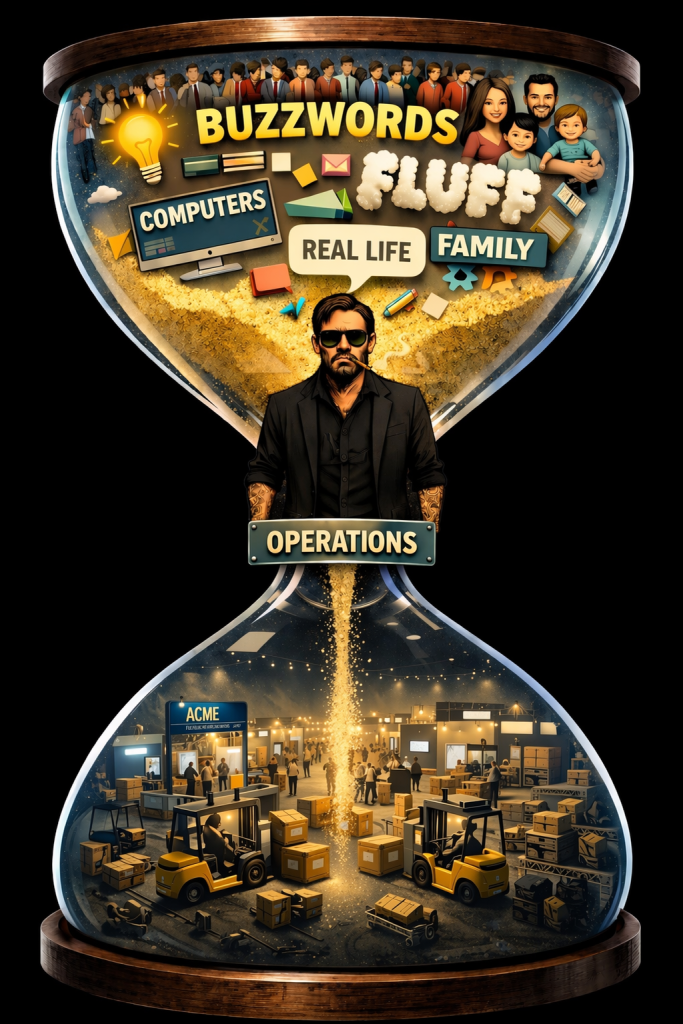
    At the top of the hourglass is the world of buzzwords.

    Strategy.

    Innovation.

    Alignment.

    Transformation.

    AI.

    Culture.

    Vision.

    It sounds great. It photographs well. It makes for good LinkedIn posts and keynote slides.

    But gravity eventually takes over.

    And gravity always lands on operations.

    Because at the bottom of the hourglass is the part of the world that doesn’t care about words.

    It cares about:

    Trucks arriving on time Forklifts moving safely Crews showing up at 2am Power being on Carpet being straight Doors opening when the public walks in

    That’s where the sand falls.

    Every idea.

    Every promise.

    Every timeline someone confidently committed to in a meeting.

    Eventually it lands on the people whose job is to make it real.

    And here’s the pressure nobody talks about.

    The people above the hourglass are allowed to be wrong.

    The people below it are not.

    If strategy changes, that’s evolution.

    If operations fails, that’s catastrophe.

    No one writes case studies about the thousand things that had to go right for the show to open on time.

    But everyone notices the one thing that didn’t.

    So the operators live in a different world.

    A world where:

    You carry the weight of decisions you didn’t make.

    You inherit timelines that were dreamed up in conference rooms.

    You solve problems that didn’t exist until reality showed up.

    And you do it quietly.

    Because the real job isn’t saying.

    The real job is doing.

    The trucks don’t move because someone used the word synergy.

    The lights don’t turn on because someone said innovation.

    The show doesn’t open because someone had a great meeting.

    It opens because somewhere, usually out of sight, a group of people decided:

    “Alright. Enough talking. Let’s run the damn dock.”

    And if you’ve ever lived in that world, you know something most people never will.

    The people at the bottom of the hourglass aren’t the loudest.

    But they’re the ones holding the entire thing up.

  • Seat at the table

    They think it’s about getting in the room.

    That’s the myth.

    Because nobody tells you what happens after you’re there—
    standing in conversations about problems
    you’ve already solved somewhere else.

    Listening to men explain a machine
    you’ve already kept running… quietly… when no one was watching.


    There are two worlds in this business.

    The room…
    and the floor.

    The room talks about what’s going to happen.
    The floor decides if it actually does.


    I was never meant for the room.

    Not really.

    I was meant for the part where plans meet consequence.
    Where time isn’t theoretical.
    Where if you’re wrong… it shows.

    Immediately.


    There was a man in this business—one of the best to ever sell it.

    He respected my dad.

    And when my dad thought about crossing over—
    leaving the floor for the polished side—
    he told him:

    “I’d never let you do that. You’re too good at what you do. I’ll pay you whatever it takes.”


    That sounds like respect.

    But I hear something else.


    Sometimes the system doesn’t elevate you…

    It protects its dependency on you.


    My dad never chased money.

    Not because he had it.

    Because he didn’t measure life that way.

    He came from nothing.

    To him, having enough was already everything.

    A car meant freedom.
    A steady check meant security.

    That was wealth.


    So he worked.

    And he was great at it.


    Me?

    I’ve seen both sides.

    I understand exactly how it works.


    And I don’t agree with it.


    I don’t agree that the ones who carry the weight
    are the ones who stay in place.

    I don’t agree that being “too good at what you do”
    means you don’t get to lead.

    I don’t agree that titles belong to the ones
    furthest from the consequence.


    They call it polish.

    I call it distance.


    There’s a certain kind of man they’re comfortable with in those rooms.

    Measured. Predictable. Easy to place.

    Then there’s the other kind.

    The one who’s already carried too much
    to pretend.


    They don’t know what to do with that man.

    So they label him.

    Raw.


    It’s a convenient word.

    Sounds like potential.
    Feels like a compliment.

    But it’s not.

    It’s containment.


    Because if the edges ever smooth out…
    if the man who understands how it all actually works
    learns how to speak like he doesn’t…


    Then the balance shifts.


    I’m not chasing money.

    Never was.

    That part runs in the family.


    I’m chasing something else.

    Ownership.

    Respect.

    The right to stand where the decisions are made—
    not just where they’re carried out.


    Because satisfaction isn’t about what you have.

    It’s about what you know you’ve earned.

    And whether the world acknowledges it…

    or you take it anyway.

    Trust me. I’m satisfied with what I’ve been blessed with.

    Chaos = Love

    The room doesn’t run the world.

    It describes it.


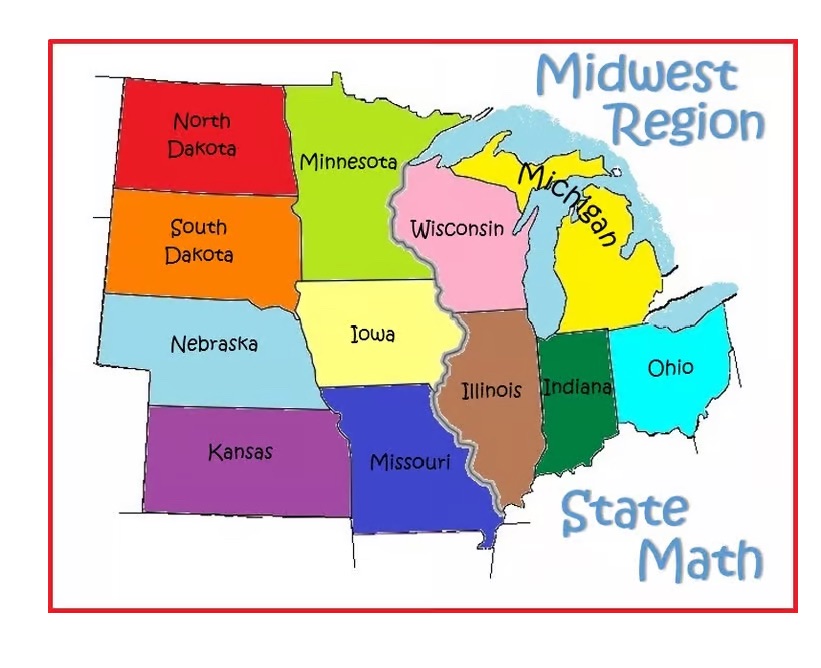
  • DRUNK STATES OF AMERICA PART II — THE MIDWEST

    The Midwest doesn’t drink to escape.

    It drinks to hold the line.

    That’s the mistake outsiders make. They think this is sadness.

    It’s not.

    It’s discipline.

    The land flattens everything—ego, expectation, fantasy. What’s left is routine, weather, work, and loyalty to things that don’t always love you back.

    Which is why the Midwest drinks the way it does.

    WHERE I’M FROM (OR CLOSE ENOUGH) THE REGION

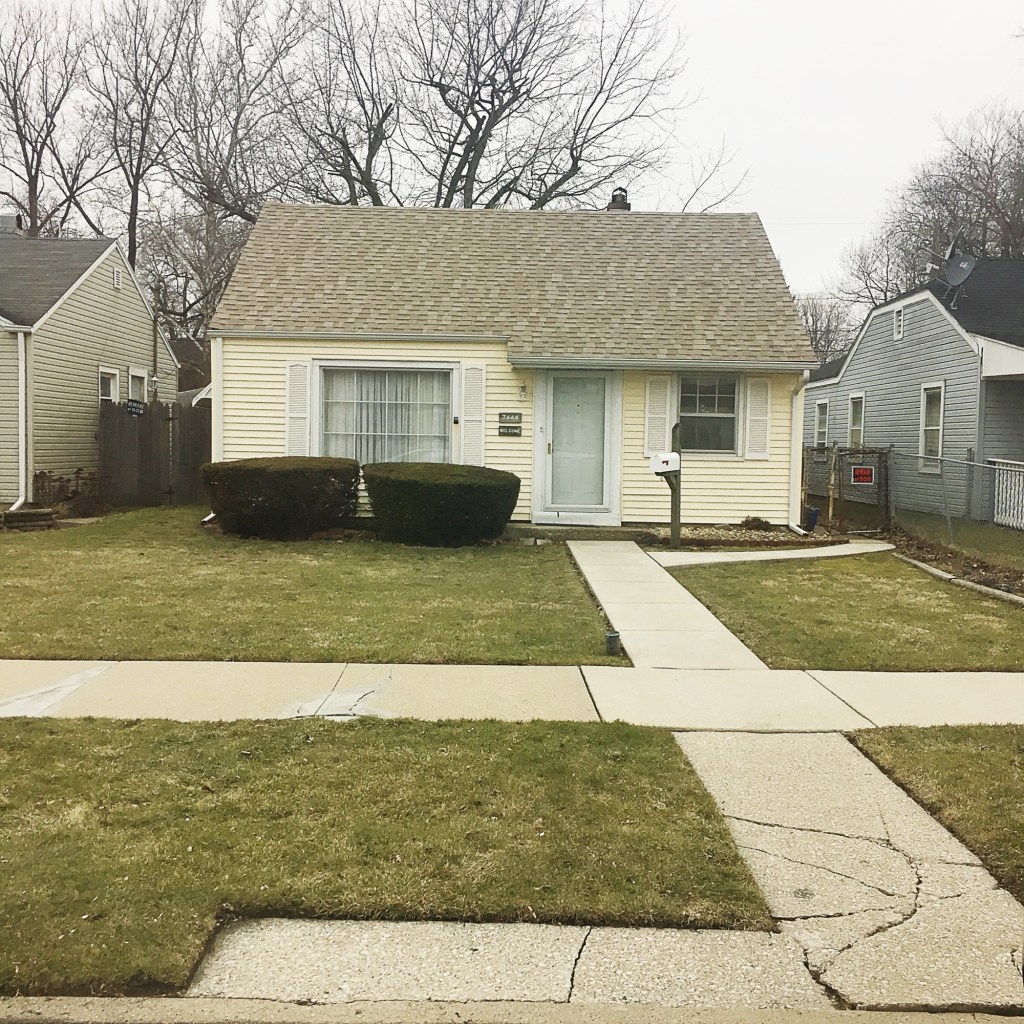
    My mom’s people are from northeast Indiana. Hammond to be exact. This is not where they live now. Somebody does…

    Not the postcard Midwest.

    The other one.

    The gritty Chicago suburb that never quite gets the credit or the money but catches all the weather and most of the fallout. Close enough to feel the pull of the city. Far enough to keep its distance.

    This is Bears country without the skyline.

    Steel-adjacent. Factory-adjacent. Bar-first, questions-later.

    People here don’t romanticize struggle.

    They expect it.

    THE CHICAGO BEARS PROBLEM

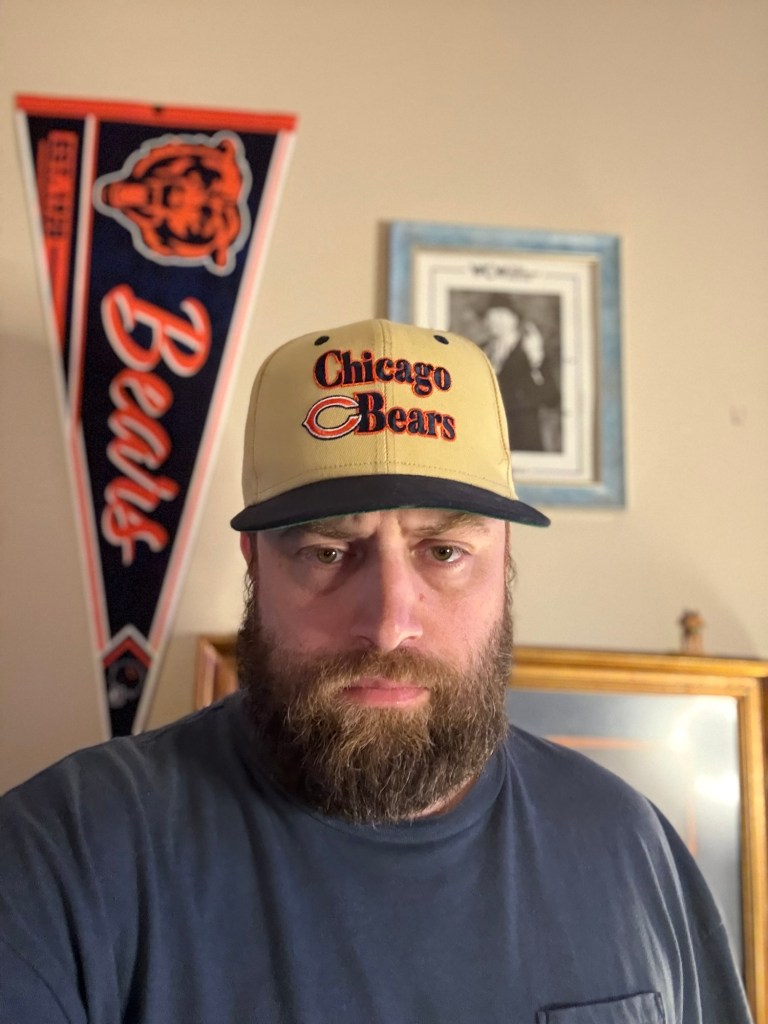
    Big Boss Man photo in the back

    You don’t casually root for the Bears.

    You inherit them. My parents aren’t Bears fans, but it’s in my mom’s blood. She’s just is smarter than me with her time on Sundays. My dad is from Atlanta. He’s a a Steelers fan because there are no such thing as actual Falcons fans.

    The Bears are the perfect Midwest franchise because they teach the same lesson over and over:

    Endure. Don’t expect rescue.

    Every season starts with hope, but not optimism. Hope is allowed. Delusion is not.

    So Sundays look the same:

    Cold beer Cheap whiskey Defense-first thinking Anger kept under control

    You drink not because they’re winning—but because you’re watching anyway.

    That’s Midwest loyalty.

    Unrewarded. Unbroken.

    WISCONSIN — BEER WITHOUT QUESTIONS

    Wisconsin doesn’t drink beer for fun.

    It drinks beer because it works.

    Cold climate. Early mornings. Long winters. Beer that doesn’t ask you to reflect or emote. Something you can drink standing up in boots, sitting down in silence, or still wearing your coat.

    This is beer as ballast.

    Keeps you steady. Keeps you moving.

    Nobody here is chasing a buzz.

    They’re chasing evenness.

    ILLINOIS — THE BAR BETWEEN SHIFTS

    Illinois built bars the way it built factories—close together and always open.

    You drink here in transition:

    After work Before home Between versions of yourself

    Beer and whiskey aren’t celebrations.

    They’re pressure valves.

    Chicago teaches you how to sit with noise.

    Indiana teaches you how to sit without it.

    Same drinks.

    Different silences.

    OHIO, INDIANA, MICHIGAN — DRINKING ON ROTATION

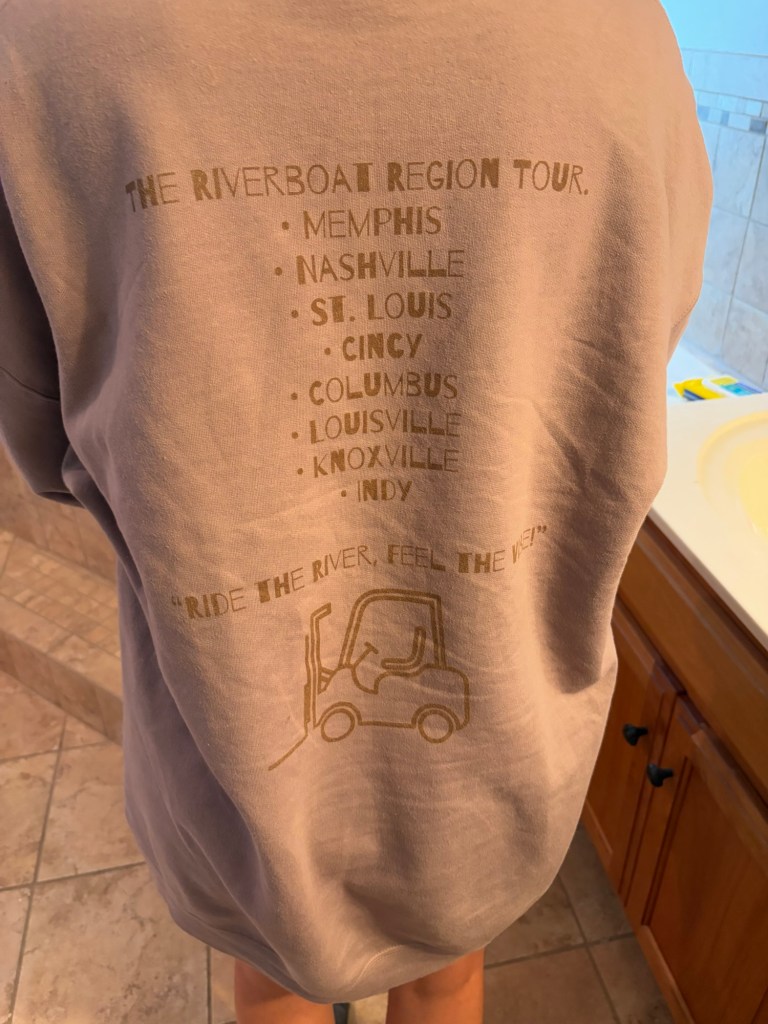
    Buy a shirt!!

    These states don’t spike the night.

    They fill it.

    https://www.bonfire.com/run-the-damn-dock/

    Beer. Light whiskey. Vodka when conversation feels optional.

    This is alcohol for people who:

    Wake up early anyway Know the score before kickoff Expect winter to be worse than advertised

    Nobody’s reinventing themselves here.

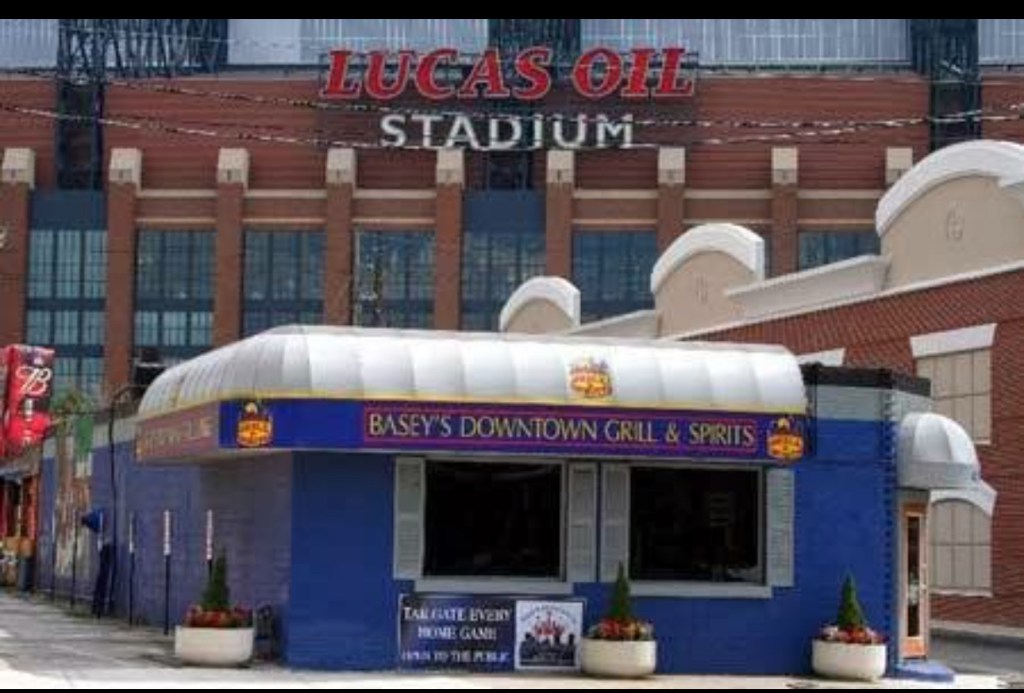
    This place deserved to close.

    They’re reinforcing what already works. Btw… since it works so well… You won’t find me there to fix it. You can keep all 3 of these places.

    MISSOURI — THE EDGE STATE

    Missouri drinks like it knows it doesn’t fully belong.

    Half Midwest. Half South.

    Beer in one hand. Whiskey in the other.

    There’s patience here—but also an edge. A reminder that endurance can turn into volatility if you don’t release it occasionally.

    Missouri understands both sides of the river.

    Mardi Gras in St. Louis. I dare you.

    That makes it dangerous in a quiet way. I will retire in St. Louis or Memphis one day…

    THE GREAT LAKES EFFECT

    Water everywhere.

    Warmth nowhere permanent.

    The Midwest drinks cold because warmth is temporary.

    Beer stays honest. Whiskey stays useful.

    Vodka shows up when words aren’t necessary.

    This region doesn’t drink to feel alive.

    It drinks because life keeps coming.

    Bills. Weather. Sundays. Work.

    Repeat.

    THE TRUTH ABOUT THE MIDWEST

    The Midwest isn’t numb.

    It’s trained.

    Trained to tolerate weather.

    Trained to tolerate routine.

    Trained to cheer for teams that ask for everything and promise nothing.

    Beer to keep pace.

    Whiskey to stay upright.

    Vodka to be left alone.

    This isn’t despair.

    It’s loyalty under pressure.

    And if you understand that—

    you understand the Midwest.