That’s the mistake outsiders make. They think this is sadness.
It’s not.
It’s discipline.
The land flattens everything—ego, expectation, fantasy. What’s left is routine, weather, work, and loyalty to things that don’t always love you back.
Which is why the Midwest drinks the way it does.
WHERE I’M FROM (OR CLOSE ENOUGH) THE REGION
My mom’s people are from northeast Indiana. Hammond to be exact. This is not where they live now. Somebody does…
Not the postcard Midwest.
The other one.
The gritty Chicago suburb that never quite gets the credit or the money but catches all the weather and most of the fallout. Close enough to feel the pull of the city. Far enough to keep its distance.
You inherit them. My parents aren’t Bears fans, but it’s in my mom’s blood. She’s just is smarter than me with her time on Sundays. My dad is from Atlanta. He’s a a Steelers fan because there are no such thing as actual Falcons fans.
The Bears are the perfect Midwest franchise because they teach the same lesson over and over:
Endure. Don’t expect rescue.
Every season starts with hope, but not optimism. Hope is allowed. Delusion is not.
So Sundays look the same:
Cold beer Cheap whiskey Defense-first thinking Anger kept under control
You drink not because they’re winning—but because you’re watching anyway.
That’s Midwest loyalty.
Unrewarded. Unbroken.
WISCONSIN — BEER WITHOUT QUESTIONS
Wisconsin doesn’t drink beer for fun.
It drinks beer because it works.
Cold climate. Early mornings. Long winters. Beer that doesn’t ask you to reflect or emote. Something you can drink standing up in boots, sitting down in silence, or still wearing your coat.
This is beer as ballast.
Keeps you steady. Keeps you moving.
Nobody here is chasing a buzz.
They’re chasing evenness.
ILLINOIS — THE BAR BETWEEN SHIFTS
Illinois built bars the way it built factories—close together and always open.
You drink here in transition:
After work Before home Between versions of yourself
Long before branding, before tasting notes, before men argued about ice cubes, the Southeast figured out something simple:
if life is going to grind you down, you’d better have something strong enough to slow time—or erase it altogether.
So the region built alcohol the same way it built roads and stories:
imperfectly, quietly, and with no intention of explaining itself.
KENTUCKY
Kentucky doesn’t rush you.
It lets things sit.
Corn stacked high. Barrels laid down. Years passing without apology. Bourbon wasn’t created for celebration—it was created for patience. For waiting out winters, wars, bad luck, and worse neighbors.
Kentucky men don’t drink fast because bourbon won’t let them.
It forces you to slow your mouth, lower your voice, and remember things you’d rather forget—on its schedule, not yours.
They say bourbon has notes of vanilla, oak, smoke.
That’s polite language.
What it really tastes like is time winning.
Kentucky didn’t become quiet because it was gentle.
It became quiet because it learned early that noise attracts trouble.
This is inland pirate country.
Same instincts. Different tides.
APPALACHIA
Appalachia never trusted banks.
Or roads.
Or outsiders asking too many questions.
So value had to be something you could hide, trade, and burn if necessary.
Moonshine wasn’t rebellion—it was math.
Grain in. Fire out. No paper trail.
The people here learned to disappear before the rest of the country learned how to look. Their stories don’t add up because they were never meant to. Their liquor comes clear because there’s nothing to hide—except everything.
You don’t “order” shine.
You’re either offered it…
or you’re not.
And if you are, you don’t ask questions.
TENNESSEE
Tennessee took bourbon and ran it through church.
Same fire. Same bones.
Just filtered.
This is what happens when people want the burn but still want to be able to sleep afterward. Tennessee whiskey doesn’t soften the blow—it just makes sure it lands clean.
This is controlled drinking.
Measured sin.
It’s the sound of a screen door closing at night.
The hum of cicadas.
Rules that aren’t written down, but everyone knows.
LOUISIANA
Louisiana drinks like tomorrow is optional. Pirates.
The river brings things in—rum, sugar, ghosts—and not everything leaves. Heat and water conspire to keep emotions close to the surface. You don’t drink here to forget. You drink to release.
Rum is memory with rhythm.
Tequila is confession without warning.
This is a place that dances with grief instead of running from it. Where joy isn’t naive—it’s tactical.
People mistake Louisiana for reckless.
They’re wrong.
Louisiana just knows that sometimes the only way out…
is through the night.
GEORGIA
Georgia doesn’t linger. We enforce.
There’s always another exit. Another lane. Another opportunity. Railroads, ports, highways, conventions—it all converges here, so the drinking follows suit.
Georgia drinks what’s available.
Then moves on.
It’s not indecision—it’s momentum.
This is a state that learned early not to be precious. If something works, use it. If it doesn’t, leave it behind. Same goes for liquor. Same goes for people. God took me from Georgia but will never take the Georgia from me. I’ll be back…
ALABAMA & MISSISSIPPI
These states drink quietly.
Not because they’re dry.
Because they remember.
Here, alcohol isn’t performance. It’s punctuation. Something at the end of the day that doesn’t need witnesses. No tasting notes. No stories for outsiders.
Just memory management.
THE TRUTH ABOUT THE SOUTHEAST
The Southeast didn’t develop cocktails.
It developed coping mechanisms.
Brown liquor to slow time.
Clear liquor to disappear.
Rum when nothing else made sense.
This isn’t about taste.
It’s about endurance.
And once you understand what a place drinks when no one’s watching…
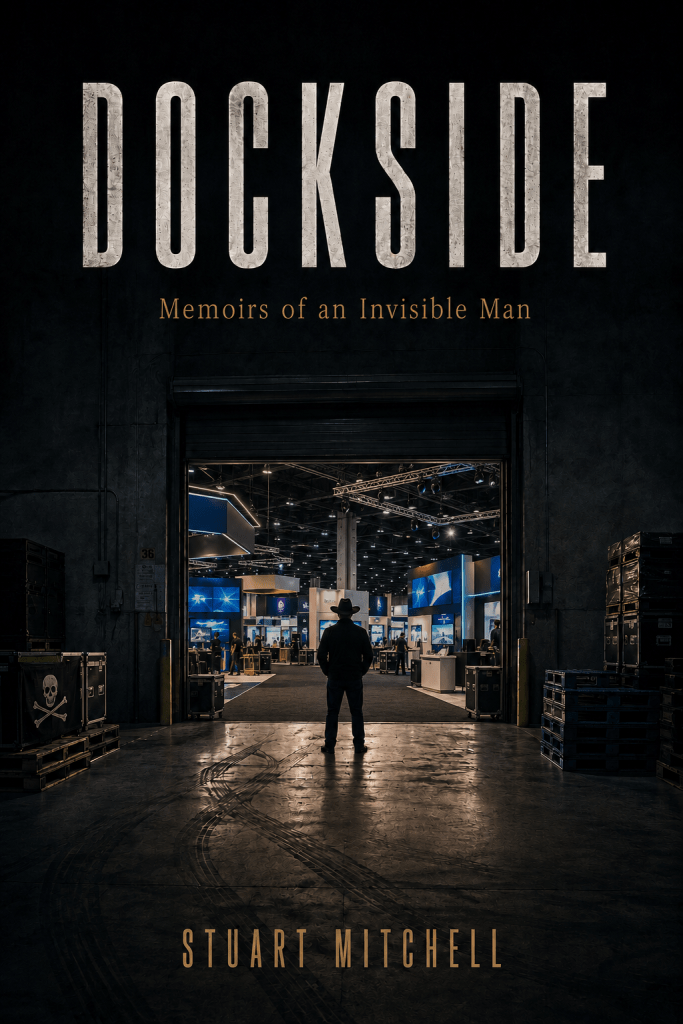
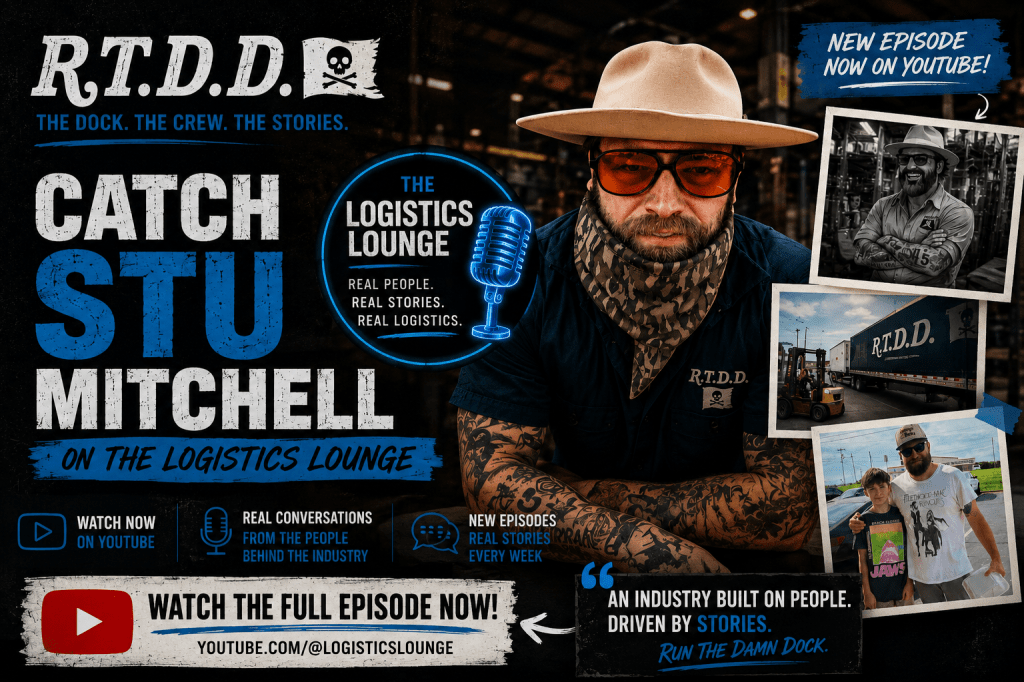
Stuart “Stu” Mitchell announced today his transition back into corporate events as he assumes the role of Director of Corporate Event Operations. This move follows a highly impactful two-year tenure leading freight operations across the Nashville region and multiple national show sites.
During his time in freight, Mitchell oversaw complex, high-pressure logistics that strengthened operational discipline, labor coordination, and large-scale event execution. His return to corporate events reflects a strategic alignment of hands-on freight experience with front-of-house event leadership.
“I’m grateful for the teams I’ve worked alongside on the dock and on the road,” Mitchell said. “Freight teaches you the truth about this industry. I’m excited to bring that perspective back into major accounts, where operational insight and client experience have to meet.”
In his new role, Mitchell will focus on high-profile shows, strategic accounts, and elevating corporate event operations with a ground-level understanding of what it takes to deliver.
Mitchell added, “This next chapter is about bigger stages, tighter execution, and continuing to support the people who make this industry run.”
This is the part nobody ever thinks about when they picture what we do.
Everyone sees the forklifts, the trailers, the build ups, the “energy” of show week… but they never see the moments where the world cracks… and you’re still on a dock… still responsible for everything moving forward.
This week hit hard.
Louisville was heavy.
Atlanta was heavier.
And I’m not even able to get into that one at all.
There are weeks in this business where you feel like you’re standing knee deep in the dust of tragedy — and the country keeps going anyway. Freight doesn’t stop because life got complicated. Schedules don’t pause because the world hurt.
We are asked to stand there.
We are asked to carry it.
We are asked to move it anyway.
This is the part of leadership nobody trains you for… the freight that isn’t measured in pounds, but in people. In nights. In memory. In what you carry home after the dock lights cut off.
This is the freight that makes you seasoned.
This is the freight that makes you the freight boss of the South.
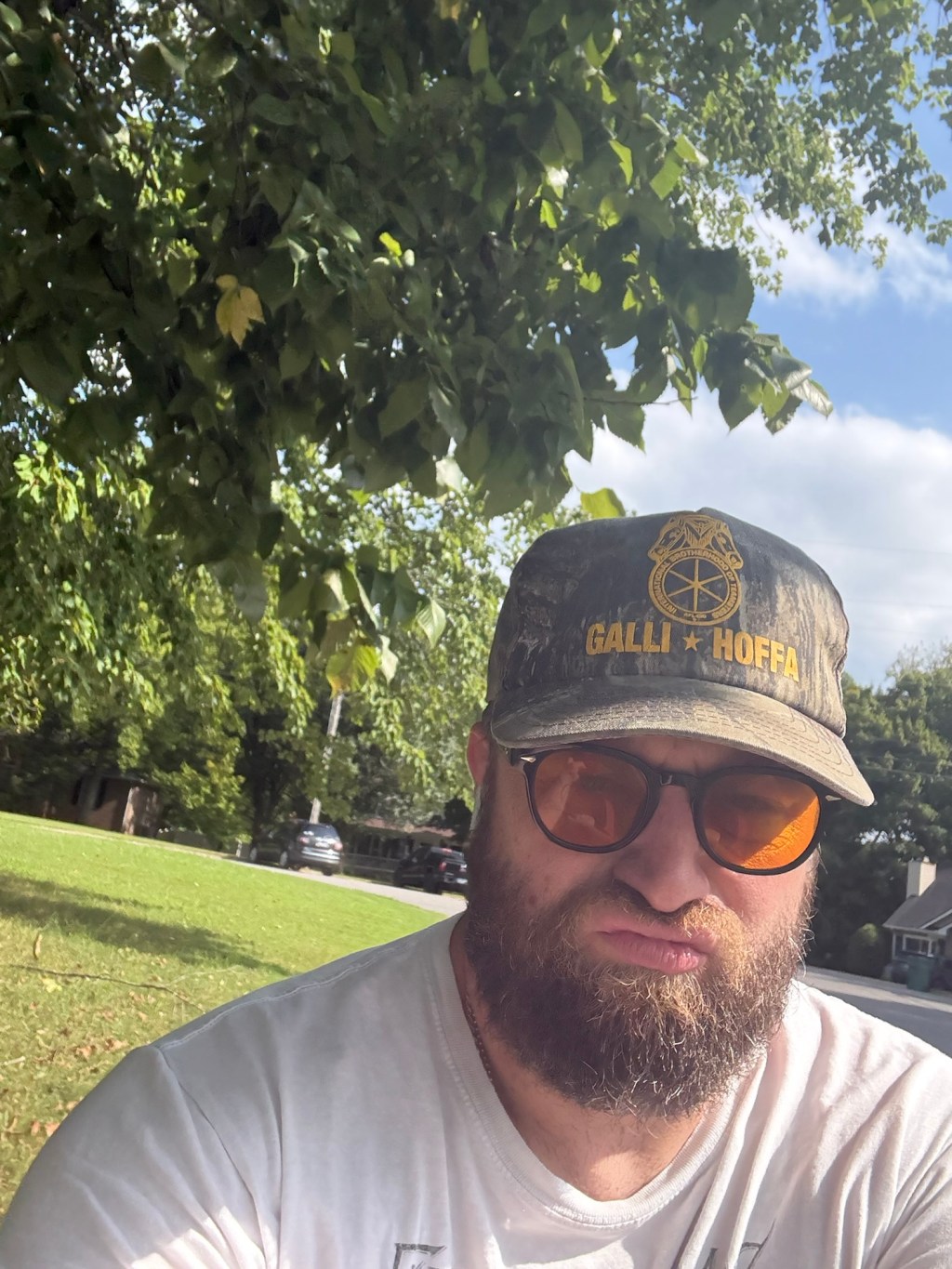
I wear my forklift keys and St. Christopher chain around my neck every day.
One is a reminder of where I come from—the dock, the fire, the work that doesn’t move unless you move it.
The other is a reminder of what protects me when the world goes insane.
Years back in Kansas City, I walked onto a dock with my boss and straight into a scene out of Hoffa. A Teamsters BA and SOA were waiting—furious about scab operators. My boss didn’t even know if he’d ordered them. I had to step in.
Because of my lineage, my connections, and my ability to communicate, I figured out the other guy with his name had made the call. That day, I walked out with the KC Teamsters as allies. Later, I shook hands with the CEO of one of the biggest fast-food chains in the world. Both rooms. Same day.
That’s where my crazy shows up—in the fire. It’s hard for me a lot of times to take minor things seriously. People leadership is hard, it’s like having hundred kids. I didn’t want any of them. Now they’re the only thing that keeps me going. Sure ain’t Bama.
Morgan Wallen said it best: “I’m a little crazy, but the world’s insane.”
The world hurls chaos, and my crazy catches it before it burns the whole dock down. That’s why it feels like I’ll always be anchored here. We’re the conduit—between underworld and overworld, dock and boardroom, freight line and skyline. More important than anyone dares admit. We’ve seen the future.
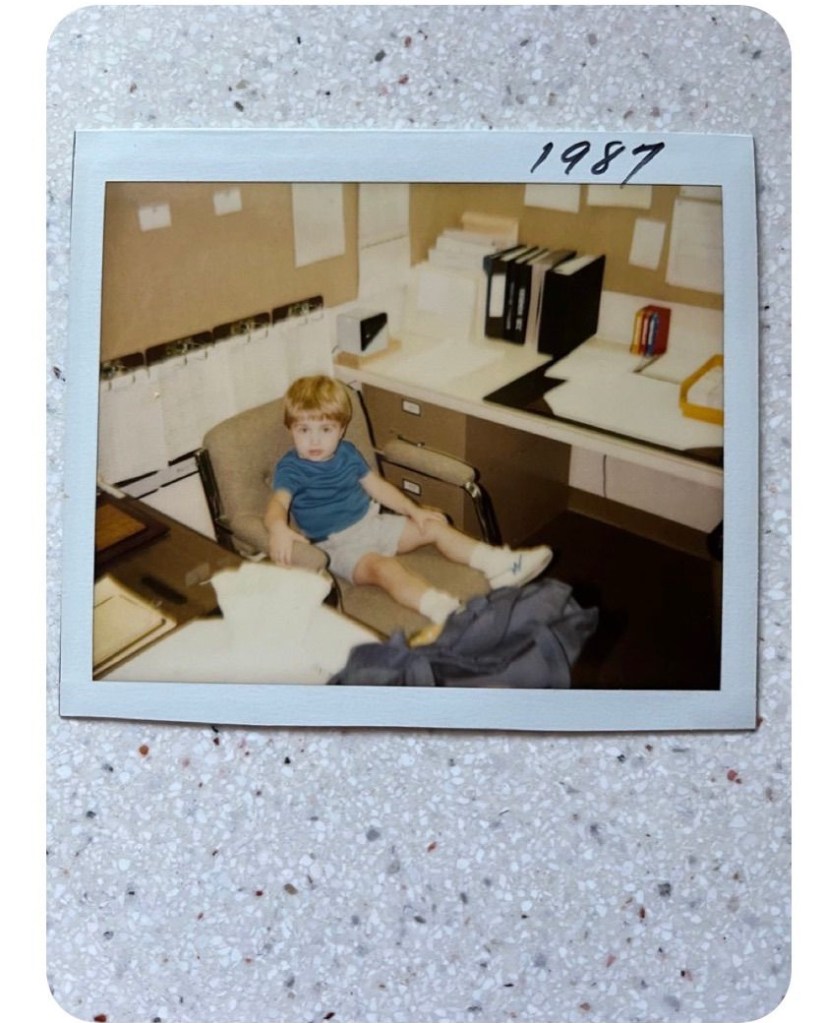
Before I ever rolled a crate into a convention center, my dad (youngest of 14 kids from middle Georgia) was already on the dock—moving freight for the world wide leader in events. The kind of work where the show doesn’t open unless the freight makes it. My mom was in the middle of the action in Chicago in the early ’80s, working for Joseph G. Kordsmeier—a Hall of Leaders legend in an era when names like Bob Lozier were redefining what hospitality meant. Back then, freight crews and executives didn’t just trade emails—they knew each other’s kids’ names.
Somewhere between McCormick Place’s loading docks and the ballrooms upstairs, the Southern freight man and the Chicago hospitality woman met. And that’s where my story began.
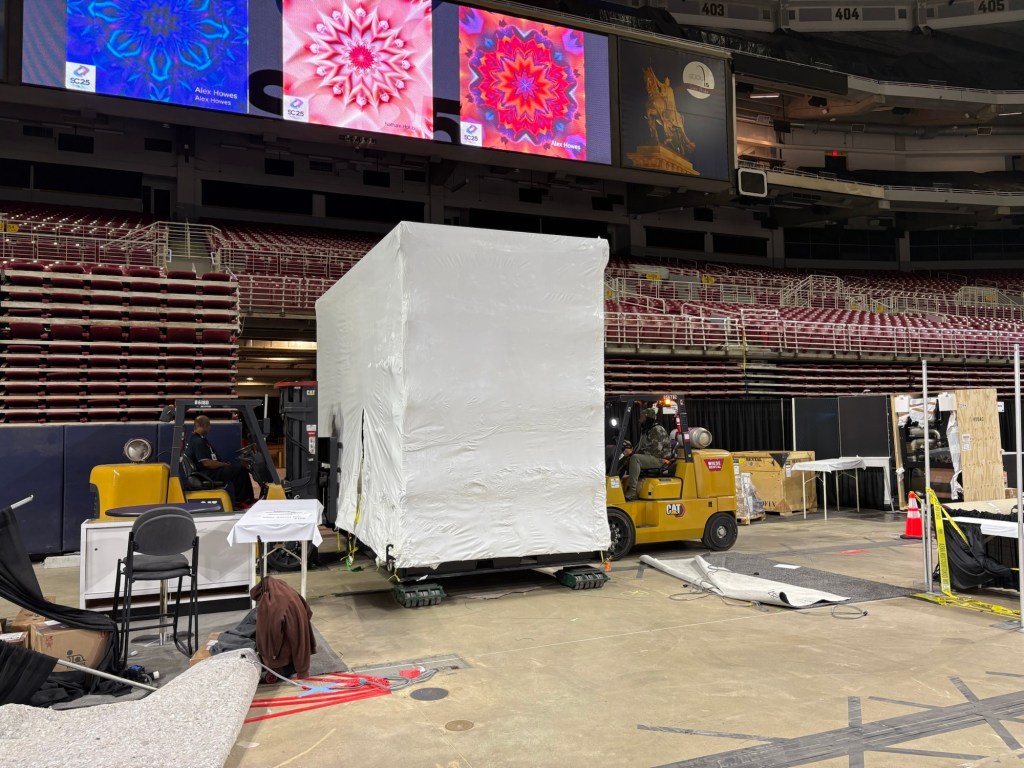
This week, I found myself back in Chicago—and then in St. Louis—covering two major events. On paper, they’re just stops on my route. In reality, they’re part of my family’s map. When the coal mines in Kentucky dried up, my mom’s family split three ways. One brother stayed in Kentucky, one headed north to Chicago, and one went west to St. Louis. Survival turned into roots, and those roots shaped the paths that would eventually cross and create my own.
Walking those streets, working those halls, I could feel the overlap—family history layered under industry history. Chicago, with its grit and skyline, holds one chapter. St. Louis, with its riverfront and steel backbone, holds another. And the Southeast? That’s still in my blood, the ground my dad stood on before he ever came north.
This industry has polished me in its own way—the kind of polish you get from running with gangsters and executives in the same week. I have just as many friends seeing parole boards as I do friends sitting on them. That’s what this business is: where the underworld and the overworld meet. And me? I’ve always been the seal of transfer between those two worlds.
Being in those two cities this week wasn’t just travel—it was a reminder. The freight line I run today isn’t just about moving crates from point A to point B. It’s a line that runs back through coal towns, loading docks, hotel ballrooms, and family kitchens. It’s the line that brought my parents together and, in a way, set my own purpose in motion.
If all that talk about purpose is real—maybe this is mine.
I was raised in and out of Atlanta. This is my pops. He’s from Techwood.
Zone 6 to Marietta. Different houses. Move in around all the time until setting in the suburbs. I think my pops moved to ATL when it was for the poor and moved us out to the country when the A got taken by the rich again before the 96 games.
Mid-’80s through the early 2010s.
Before it got curated. Before it got safe.
It was loud, dangerous, and beautiful in its own way.
You learned early how to walk, how to wait, how to speak when it mattered — and how to survive when it didn’t.
That kind of upbringing doesn’t leave you.
It sharpens you.
And it teaches you how to move through places where most people would rather lock the doors and look the other way.
Now I run freight through five of the most violent cities in America:
Memphis. Cincinnati. St. Louis. Louisville. Indianapolis.
You don’t have to take my word for it —
just read the data.
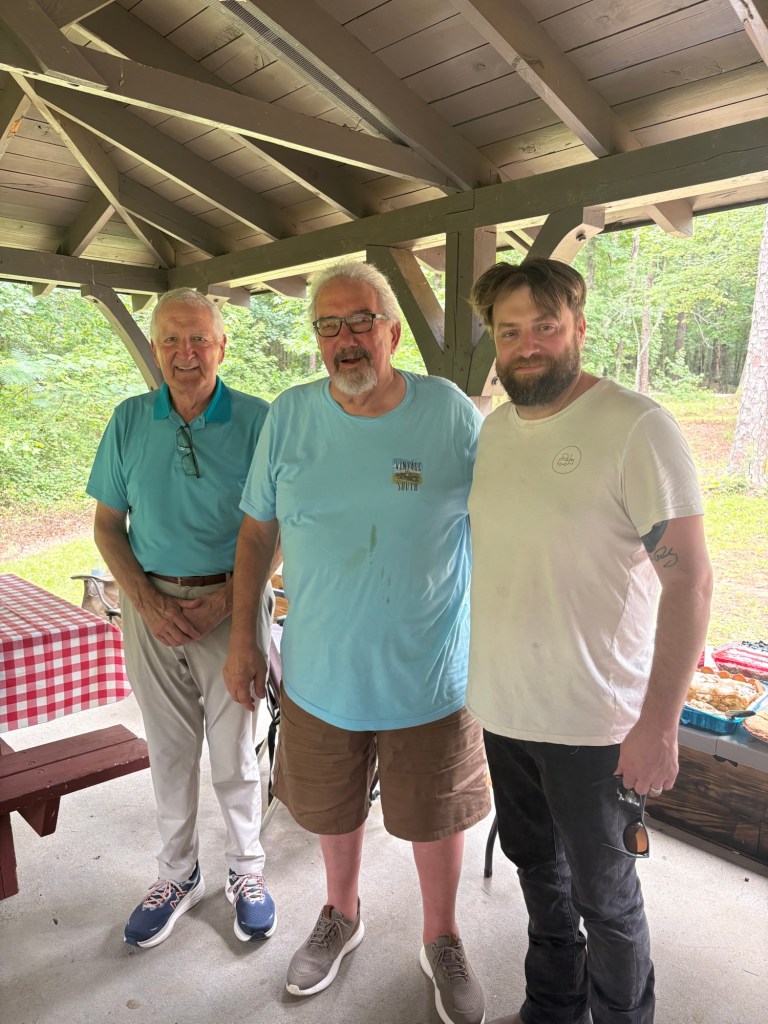
This is not a real photo of me and ZBO. Go Grizz!!
Year after year, these cities land in the top ten for homicide rates in the entire country.
Memphis was number one not long ago. I’m
St. Louis held the top spot for years.
Louisville and Cincy stay hovering in that top tier.
Even Indianapolis — cleaner on the surface — has quietly climbed the charts.
We’re talking about major American cities where the murder rate rivals international war zones.
And still — the show must go on.
Trade show freight doesn’t pause for gunfire.
Labor calls don’t reschedule for neighborhood shootings.
The rig still rolls in.
The dock still opens.
The freight still lands — on time.
Because it has to.
I don’t run freight through quiet towns and polished markets.
I run it through cities that are breaking and rebuilding at the same time.
Where mayors hold press conferences while crews patch bullet holes in the loading dock wall.
You think that’s dramatic?
Ask anyone who’s worked a show in North STL.
Ask a dock boss in South Memphis.
Ask a steward in West Louisville.
This ain’t fantasy.
This is business in 2025 — in America.
And this business?
It doesn’t care about your comfort.
It only asks:
Can you deliver in a city that’s falling apart?
Because if you can’t — someone else will.
Someone tougher.
Someone local.
Someone who knows how to lead not in theory, but in chaos.
There’s nothing polite about these cities.
Nothing predictable.
But I don’t run from that.
I run toward it.
Because someone has to.
The show has to open.
The freight has to move.
And the city — no matter how bloody it gets — still needs the work.
So no, I don’t operate in sanitized environments.
I operate in statistical murder capitals —
with real risk, real labor, and real lives on the line.
And still, we get it done.
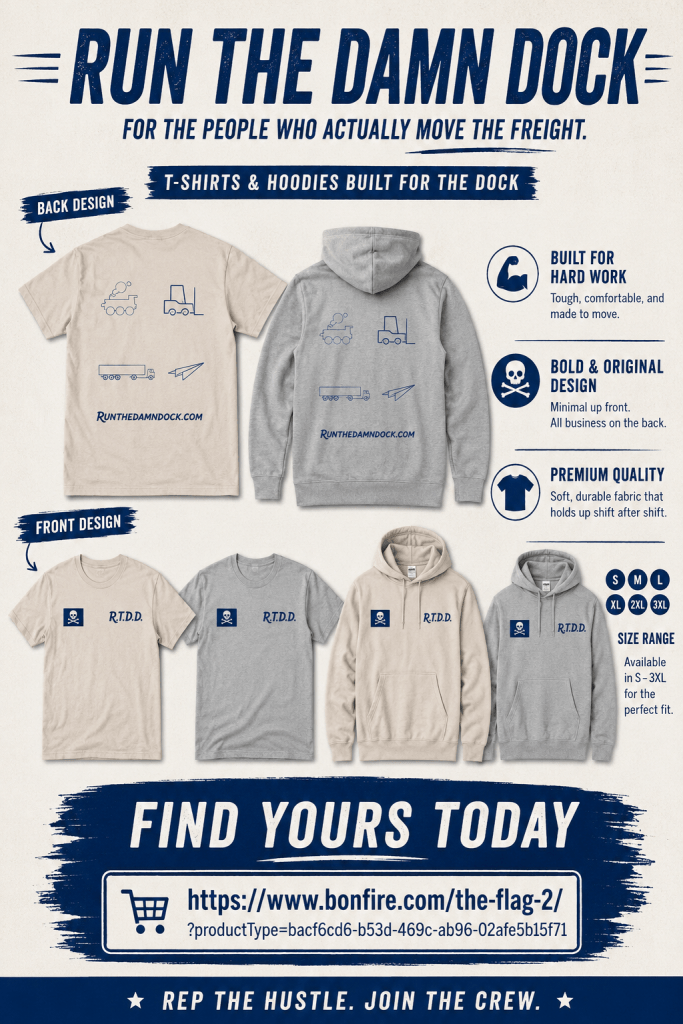
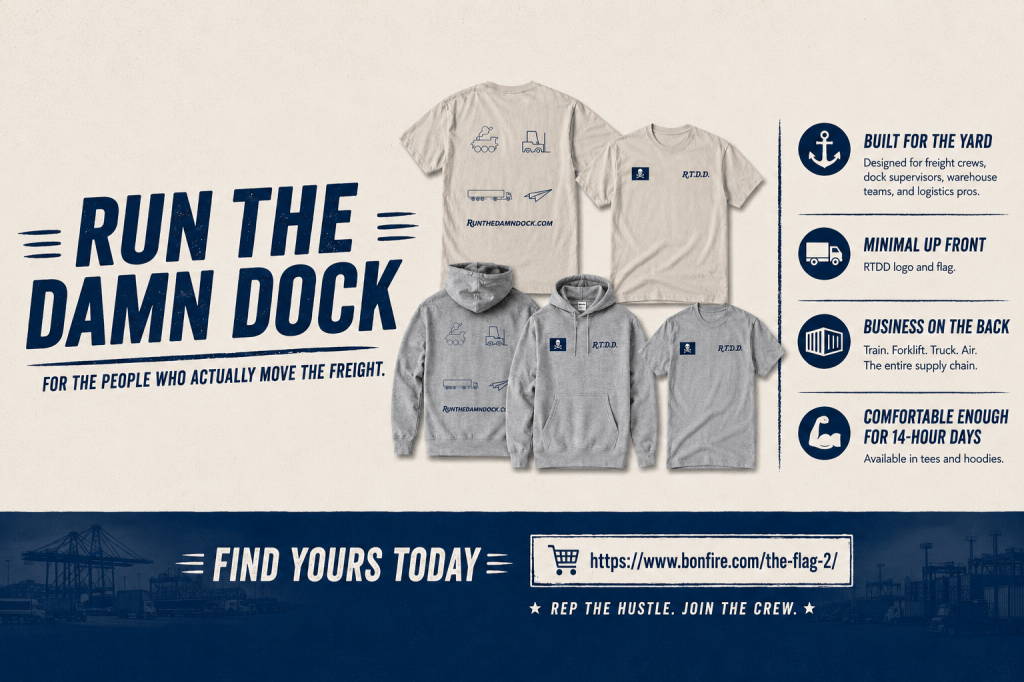
Every. Single. Time. Oh yeah BUY A SHIRT in the store!!!
This week on Run The Damn Dock Radio, we kick things off with a name you didn’t expect to hear in a freight blog: Hulk Hogan.
Why? Because leadership in this industry ain’t about hiding behind dispatch screens or avoiding accountability. It’s about showing up like you mean it—and nobody walked into a room like Hogan. That’s the kind of presence the dock still respects.
Meanwhile, diesel dropped again—$3.71 a gallon on average—but don’t let that fool you. One hiccup in the Middle East and your cost structure flips. Fuel surcharges matter more than ever.
Over in the trade show world, freight’s still moving steady. Columbus, Indy, Charlotte—regional expos are keeping ops crews honest. But labor is tight, marshaling yards are backed up, and if you’re not ahead of your window, you’re already behind.
Oh—and in case you missed it:
LTI Trucking Services (IL) is shutting down Balkan Express (TX) filed Chapter 11 Two more names off the map. Rate pressure is crushing the unprepared. Vet your carriers. Weekly.
Final word: This isn’t the time to flinch.
This is the time to walk in like Hogan, grab the manifest, and run the damn dock.