Blog
-
New Dirt in Derby Town
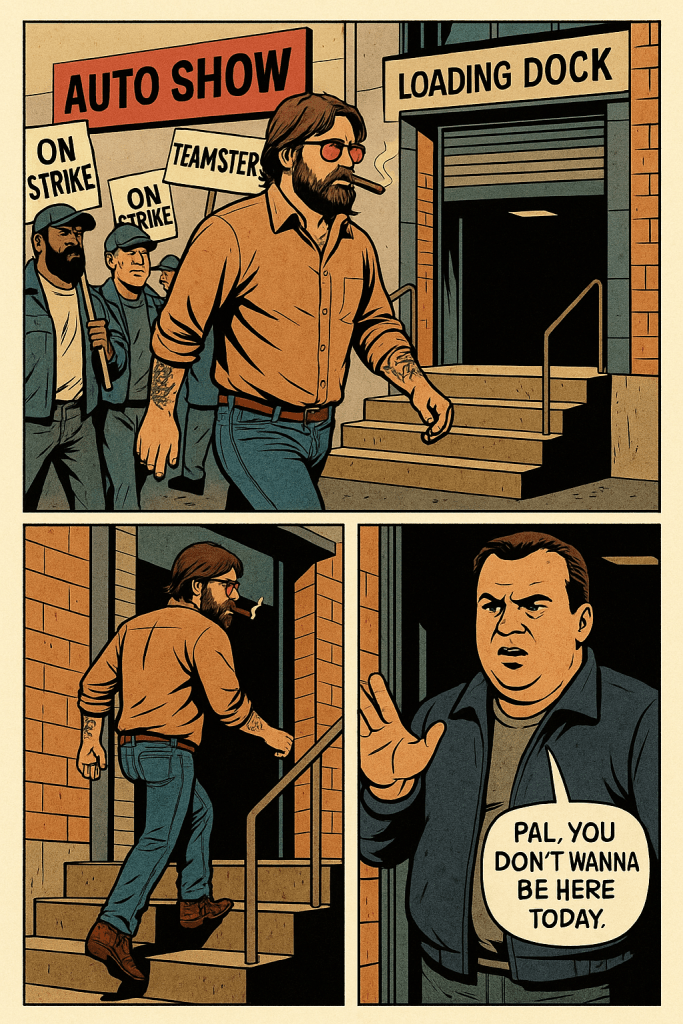
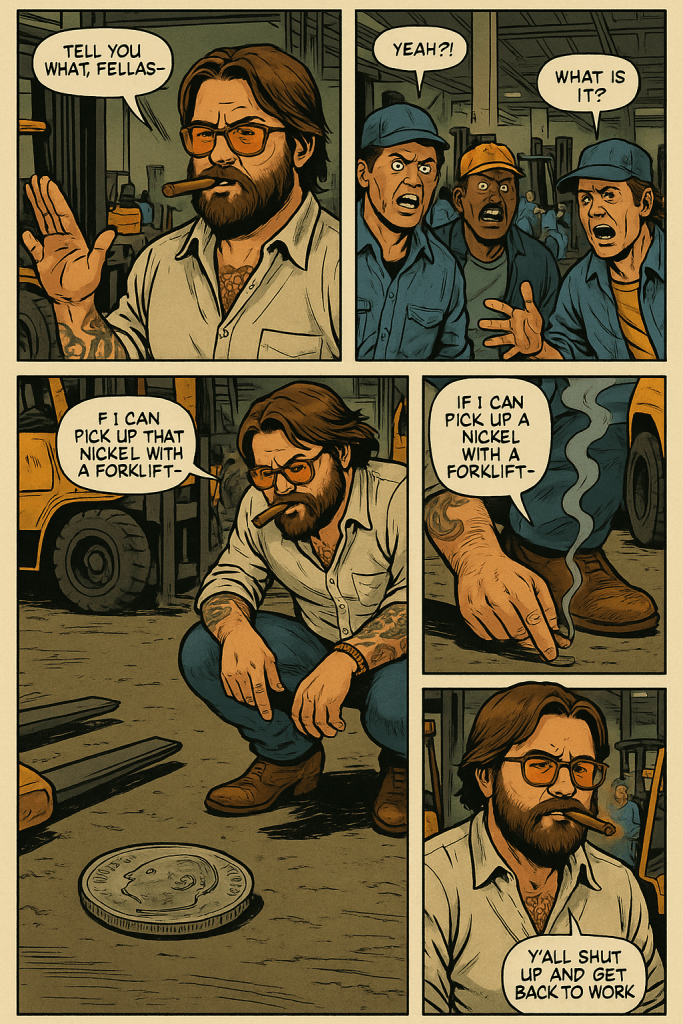
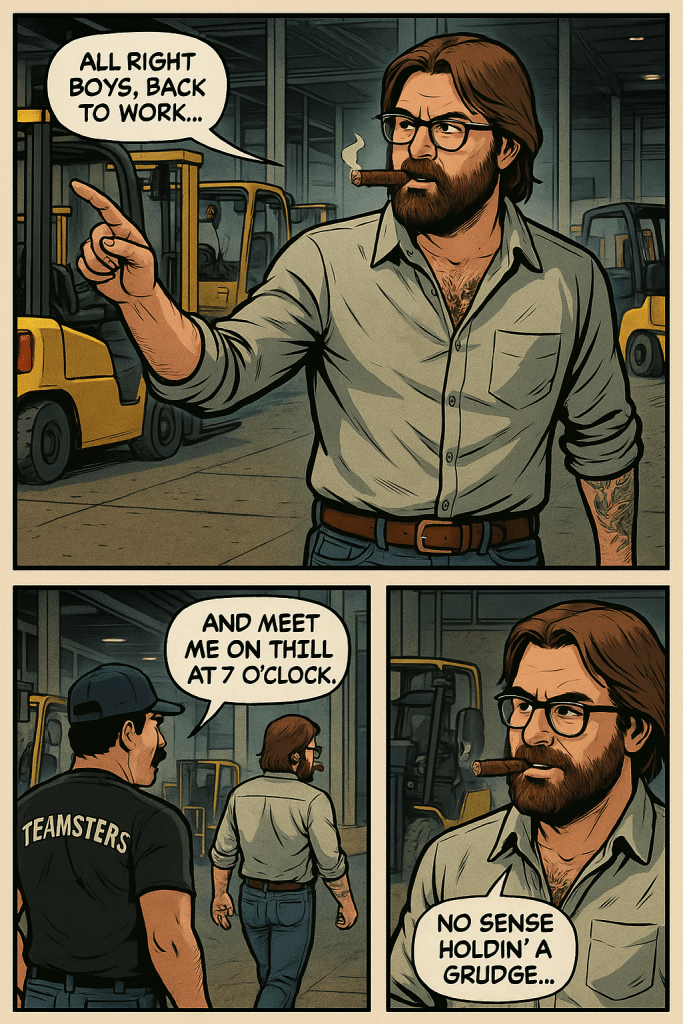
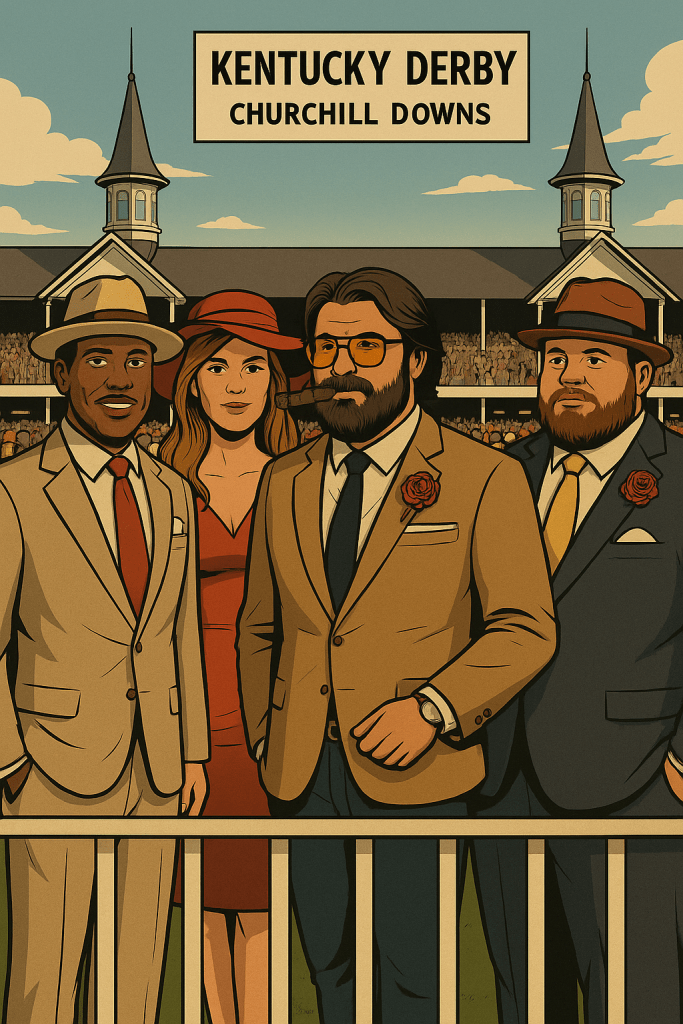
St. Louis was the warm-up. Now Stu and the crew roll into Louisville with a trailer full of ambition and one mission: run it right.
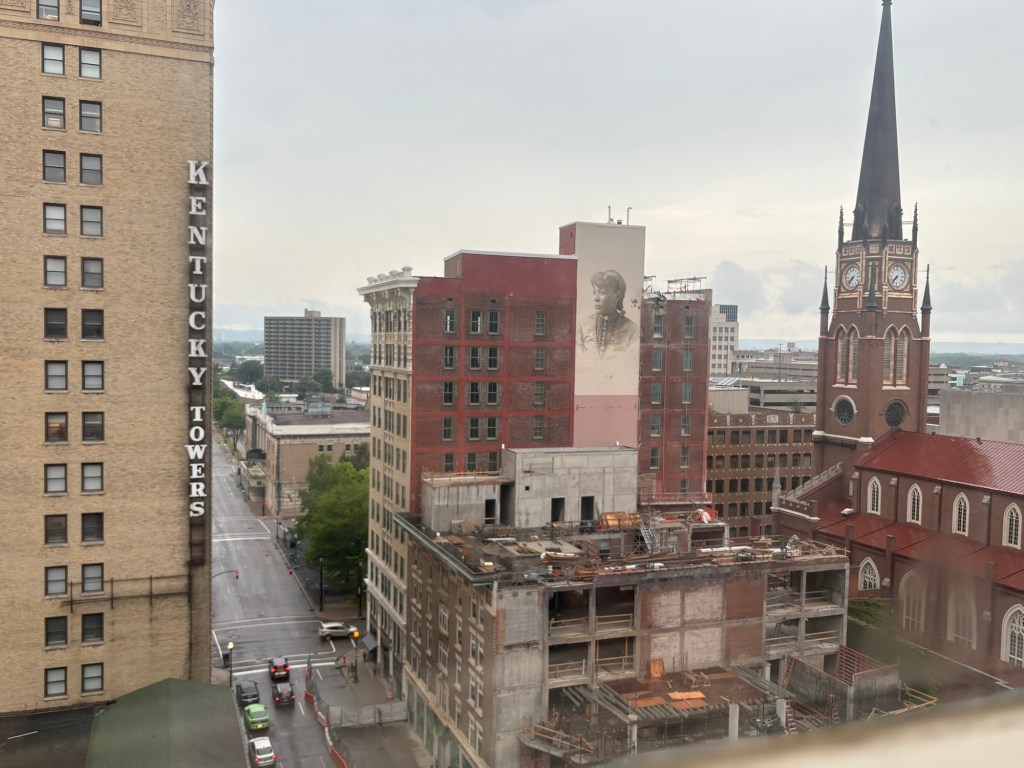
New docks. Bigger players. Higher stakes.
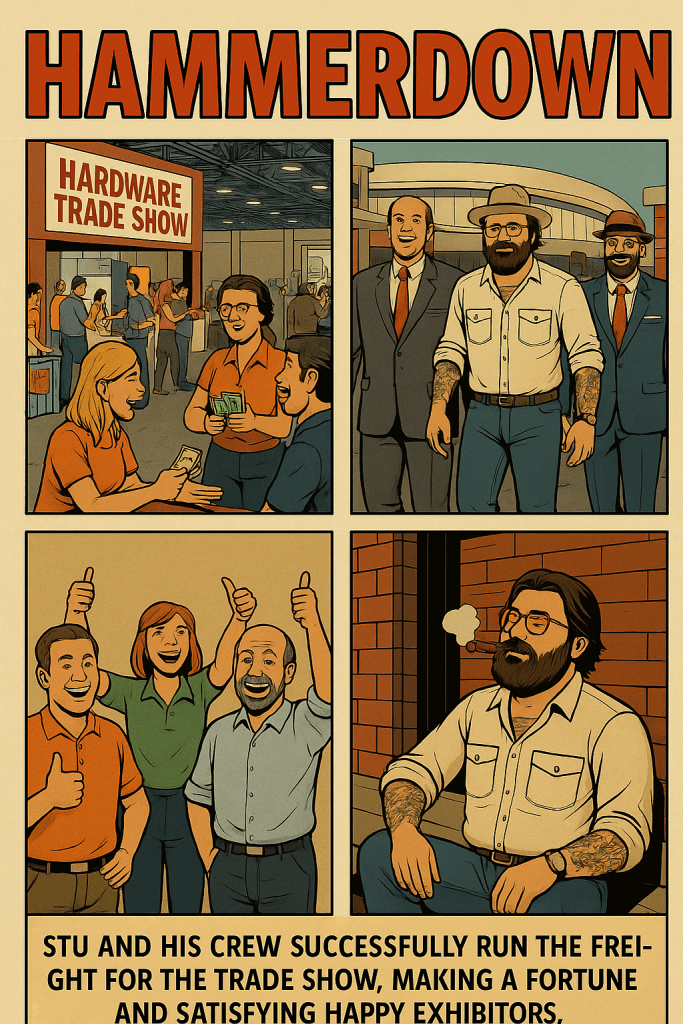
Welcome to Episode 2 of HAMMERDOWN.
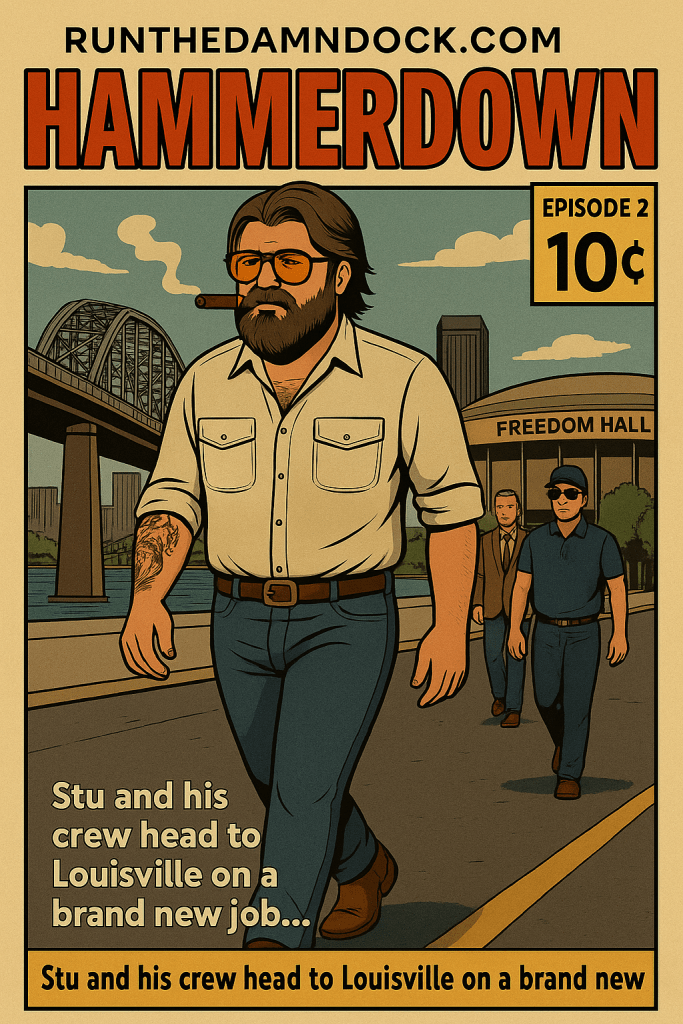
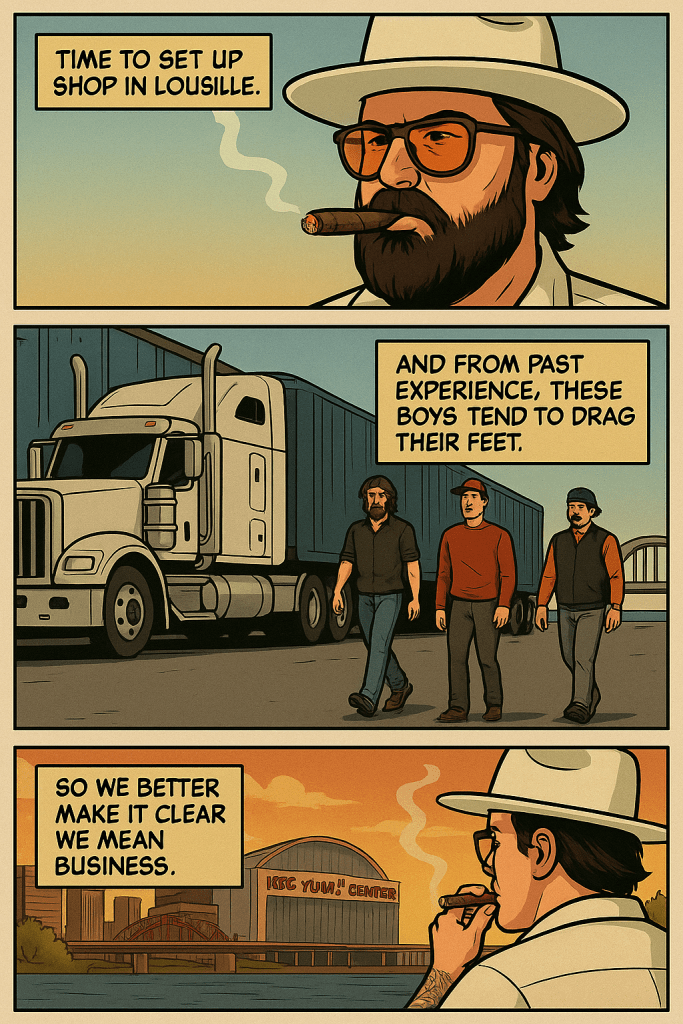
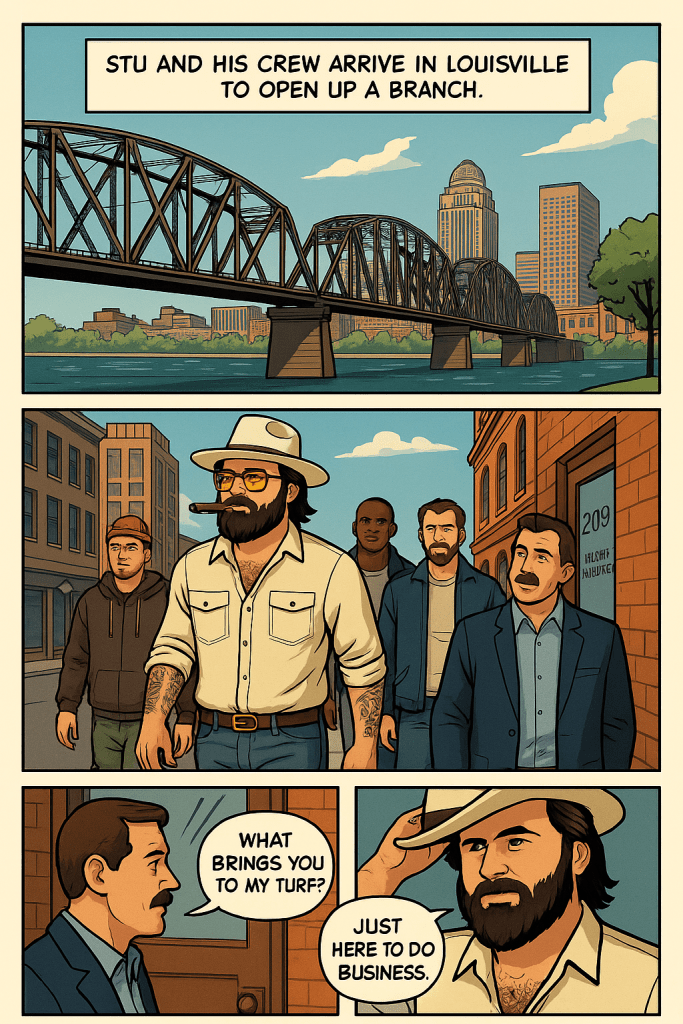
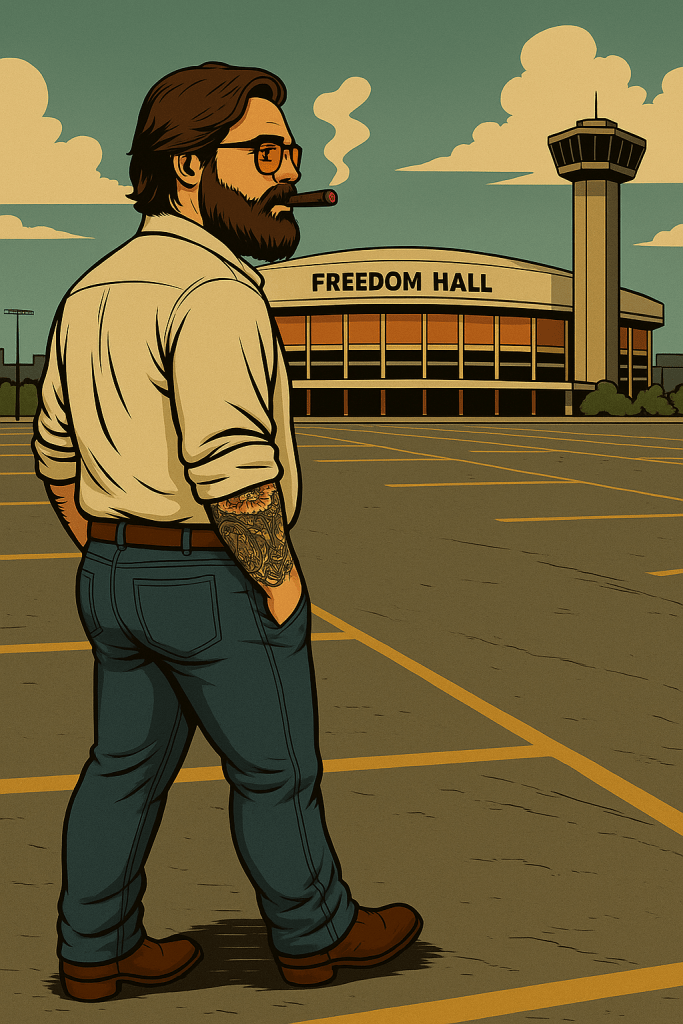

Stu meets a Legend who gives him some advice. 
-
Meanwhile in China…
While a baby was being born in Bethlehem—wrapped in cloth, hunted by kings, and heralded by stars…

Meanwhile in China, astronomers were charting constellations, Confucian wisdom was already reshaping empires, and poets were writing about balance in a world made of shadow and light.
Meanwhile in India, sages were meditating under trees, kings were quoting scripture from the Bhagavad Gita, and generations were being taught that the divine lived in all things—from river to mountain to man.
Meanwhile in the Americas, long before Columbus stumbled onto a shore that already had names, entire civilizations were building cities in the clouds, tracking Venus with mathematical precision, and honoring the Creator through ceremony, drum, and dance.
Meanwhile in Africa, beyond the pyramids that get the headlines, kingdoms like Nubia, Axum, and Mali were thriving—telling stories, trading wisdom, building temples, and walking with a God they may not have called Yahweh, but surely felt in their bones.
All of this was happening while Jesus was walking dusty roads.
While He was flipping tables.
While He was calling fishermen to fish for people.
While He was saying things the world wasn’t ready to hear.
And this is the part that rattles me:
The world is 197 million square miles wide.
And God was in all of it.
That baby in the manger? He was the center of the Christian story.
But He wasn’t the only thing happening.
He was the flame—but the fire was already burning across oceans, under stars, in languages and landscapes the Bible never mentions.
And maybe that’s the real miracle.
I’m a Jesus guy. I’ll say that straight.
But I don’t believe Jesus came to lock us into a book.
I believe He came to blow the doors off the whole damn thing.
The Bible is sacred.
But it’s not the whole story.
It’s one thread in a global tapestry—a fierce, poetic, Middle Eastern thread that shook empires.
But meanwhile…
God was moving in other places, too.
In Cherokee ceremonies.
In Maya temples.
In Vedic chants.
In Taoist silence.
In unrecorded fireside stories passed from grandmother to grandson on a piece of land now paved over.
And here’s the wildest thought:
Time isn’t a line.
It’s a loop.
Ancient people believed that before science caught up. And now, as AI emerges, space expands, and humanity races forward, we’re starting to realize:
Everything comes back around.
Nothing truly ends.
And through it all—God is the constant.
Technology changes. Kingdoms rise and fall.
Scriptures are written, translated, twisted, and rediscovered.
But the God of the Universe—the one who breathed stars and whispered to shepherds—never left.
He was there before the first drum.
He’ll be there after the last server dies.
And maybe… just maybe…
While the cross stood on a hill in Judea—
Meanwhile in eternity, the whole universe was holding its breath.
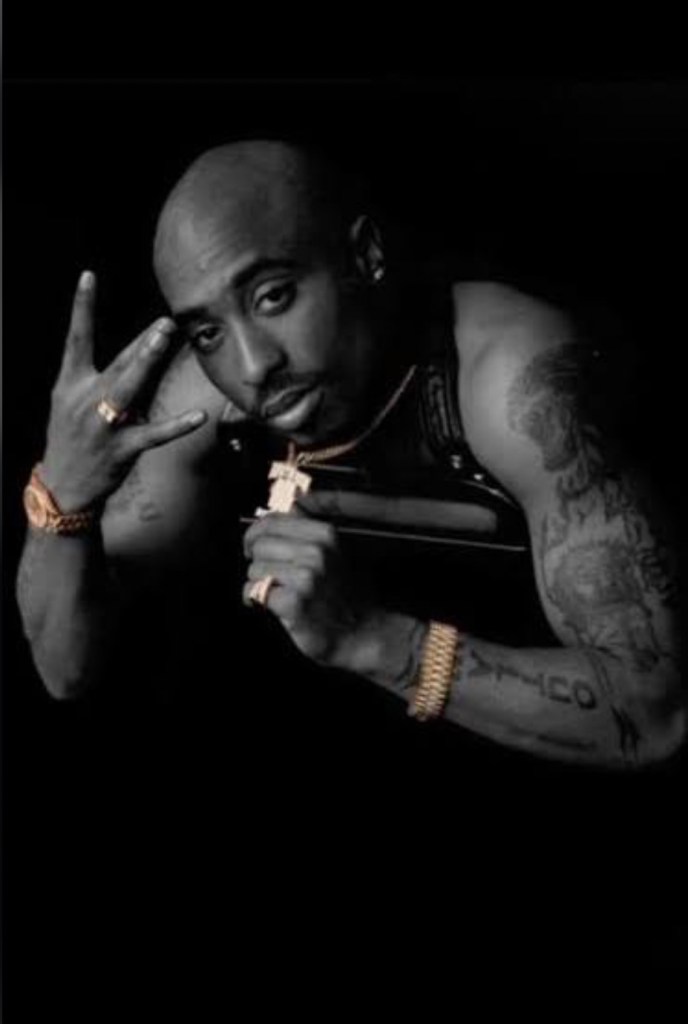
There’s gotta be a heaven for a Gangster. -2Pac
-
Built on Water, Waiting on Fire: Why Memphis Might Be America’s Next Great Event City
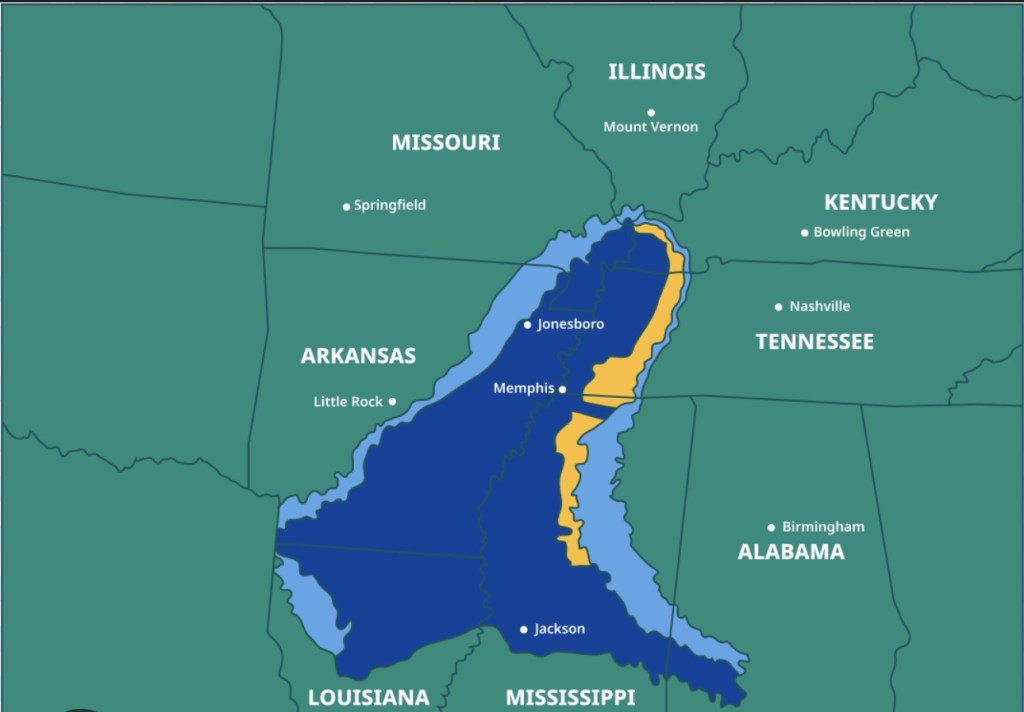
There’s a river running through her veins — the Mississippi, muddy and mighty — and an aquifer beneath her feet so pure it could baptize an entire nation. The Memphis Sand Aquifer. Ancient, cold, untouched. It’s one of the cleanest water sources on Earth, and the city floats on top like a church on holy ground.
But cities like Memphis — cities built on soul — always walk a razor’s edge. Between rebirth and ruin. Between memory and movement. And right now, Memphis is primed for both.
Because while the rest of the country went plastic, Memphis stayed real. Too real, maybe. She never tried to be shiny. She never got Botox. She just kept playing records and frying burgers in grease that’s older than most Vegas resorts.
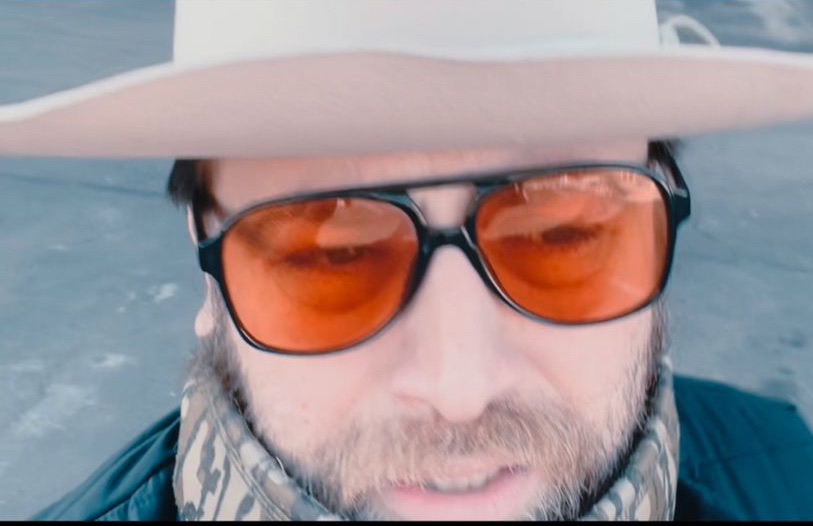
And now? The world’s tired of fake.
Now? Memphis is exactly what they need.
The Whole City is the Venue
Most cities try to cram your event inside four beige walls. But Memphis is the venue. The Grindhouse — FedExForum — is more than an arena. It’s where heartbeats became headlines. It’s where Zach Randolph made toughness fashionable again — where elbows meant respect, and where playoff basketball felt like a church revival with floor seats.
Z-Bo didn’t just play here. He became Memphis. He still shows up. He still gives back. Tony Allen, Mike Conley, even guys long gone still roll through like it’s home — because it is. The crowd didn’t cheer for stars. They cheered for their people.
And when a city does that for you? You never leave. Not really.
Memphis doesn’t do rentals. She builds lifers.
Soul on the Sidewalks
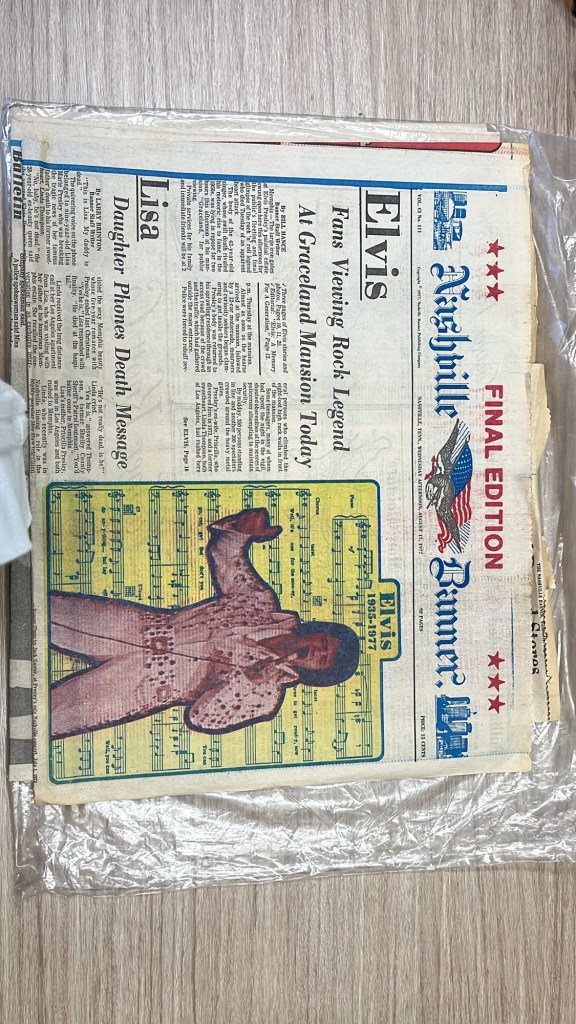
Down the street, Dyer’s Burgers is still dropping patties in century-old grease. That grease has seen more history than most museums. And if your attendees wander late into the night, they’ll find themselves at Ernestine & Hazel’s, where the ghost of blues past pours cold beer and plays jukebox prophets. Upstairs? A haunted brothel. Downstairs? Maybe the best damn soul burger on Earth.
These aren’t tourist traps. These are time machines.
The Soul Nashville Sold
Let’s say it straight: Nashville is what Memphis used to be — but what it can never be again.
Nashville sold its soul and bought a pedal tavern. It got famous. Got rich. And in the process, got lost.
Memphis? She still bleeds. Still sings. Still fights. And still knows the weight of what she carries:
The legacy of Stax. Sun. Beale. The backbone of FedEx. The heartbeat of American logistics. The pipeline of soul.
And through it all — Mother Nature’s main artery still flows right through town. The Mississippi doesn’t care about branding. It rolls on. And so does Memphis.
A City Ready to Rise Again
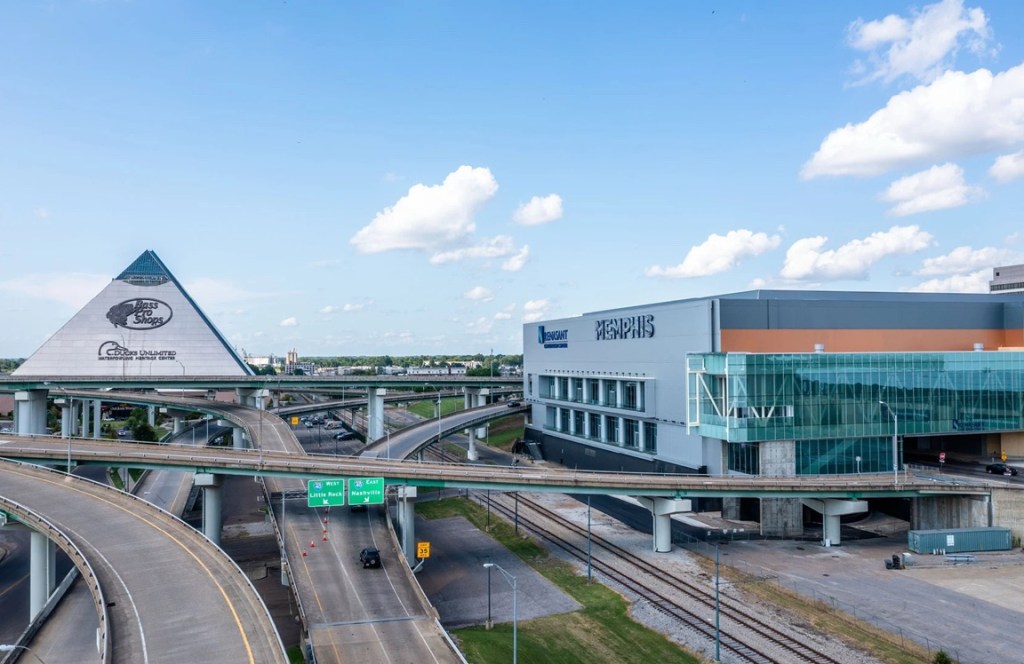
The city’s ready. She just needs someone to believe. Someone to put freight back on the dock, put real people back on stage, and fill hotel rooms with purpose — not gimmicks.
This isn’t a cheap alternative.

This is the American South’s last real city.
Bring your event here. Use the convention center. Use the Grindhouse. Use the streets, the rooftops, the fried grease and the haunted rooms. Let the whole damn town be the venue.
Because in Memphis, the soul never died. It just went underground for a while — same as the water.
And it’s rising again.
-
We Ain’t Built to Riot — We’re Built to Endure
You ever notice how every region of this country’s got its own reaction to fear?

Out West, they run to the desert to reinvent themselves.
Up North, they yell real loud and start nonprofits.
In the Midwest, they bottle it up until it turns into passive-aggressive casseroles.
And in the South?
We invite it in. Set an extra plate. Talk it out over cornbread and a football game.
You don’t have to like us—but you’ll damn sure respect the fact we’ve been through the fire and came out fed, not frantic.
Let’s talk about it:
The mafia had its run in every corner of this country—New York, Chicago, Vegas, even Kansas City. But the Deep South?
Not a chance.
They might’ve tried once, but we sent ‘em packing with a Swirley, a boiled peanut, and a reminder that their suits looked dumb in 100-degree heat. You don’t shake down a man who knows how to fix his own truck and bury you behind a church in the same afternoon. Not down here.
We’ve had every excuse to riot.
Hell, we’ve lived through poverty, crooked governors, poisoned rivers, and broken promises.
But we don’t flip cop cars.
We sit at long tables, pour sweet tea, and let football season divide us like civilized folks.
That doesn’t mean we’re soft. Please don’t try.
We’re just tired of watching the same fire get lit and called a movement.
We’ve already walked those roads—economic ruin, cultural exile, racial violence.
We just didn’t have cameras and PR firms.
But don’t get it twisted—we know tribulation. We just cook it low and slow ‘til it don’t bite no more.
Y’all still talk about the KKK like we don’t hate them too.
Truth is, you’ll find more casual racism in a Boston boardroom than a Mississippi barbershop these days.
The South’s not perfect—but we’ve done the hard, generational work.
We’ve looked each other in the eye, called bulls**t when needed, and raised babies that play backyard football together under three different flags.
Now, you’re starting to see Southern culture creep into this new America—loud trucks, louder music, cowboy boots at Coachella.

And I ain’t mad about it.
But just know: we’ve been harmonizing since before your daddy knew what brunch was.
We just never owned the media.
Well—we did.
Back when Ted Turner ran cable and the Braves were always on.
Before coastal elites figured out how to meme us to death and sell our twang back to us with an ironic mustache.
But the South?
We’re still here.
Still working. Still cooking. Still raising kids who can hunt, argue, and pray—all before lunch.
We didn’t miss the moment.
We are the moment.
And while the rest of the country finds new ways to scream,
we’ll keep doing what we’ve always done—
stay seated, stay rooted, and let the game decide.
-
Sleeping Giants.
You ever hear people whisper about secret societies?
The ones who control the world behind the scenes.
Pull the strings. Write the speeches. Design the system.
Well, I got news for you:
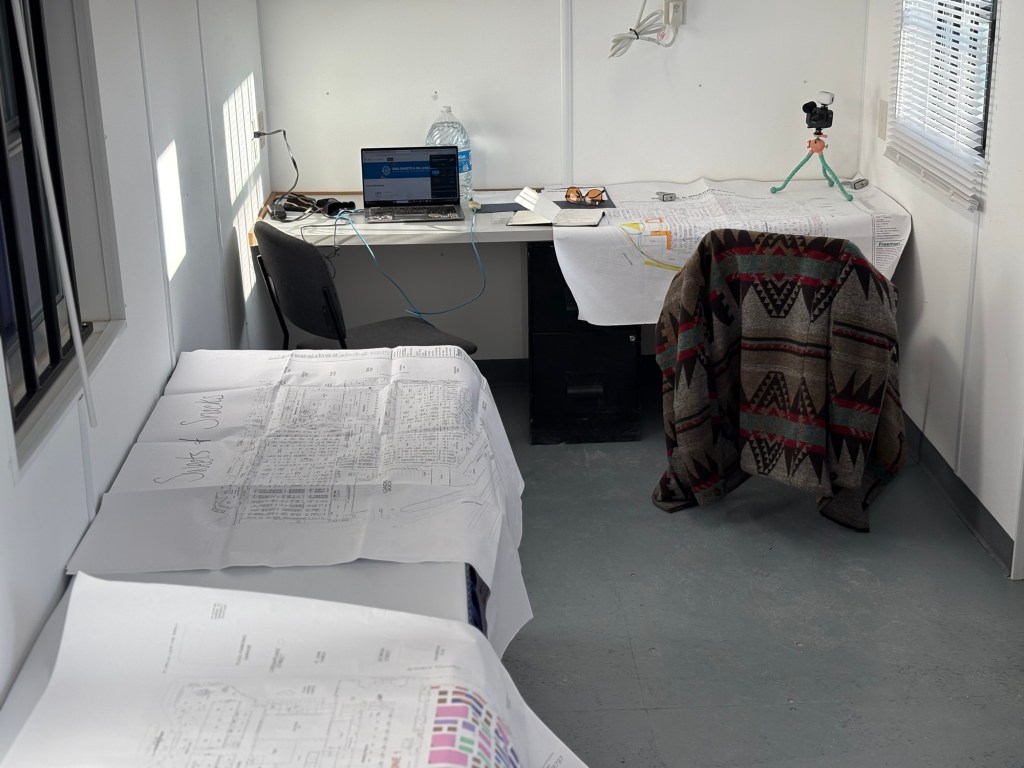
That’s us. Just some good ole boys.
We don’t wear robes. I do sometimes.
We don’t hold seances. I do sometimes. They’re called safety speeches.
We wear boots, we have radios.
We hold coffee cups and clipboards.
And yet—we are everywhere.
Before they rolled out the pop-up hospitals during COVID?
We built them.

We designed the flow of traffic, laid out the entry points, brought in the freight, and made sure the damn lights turned on.
Before the latest Apple Watch launched?
We installed the screen that revealed it.
We saw the internal decks.
We handled the graphic you clapped at.
We know the name of the model before it hits shelves—because we hauled the cases in before the press release was even drafted.
You think drones are scary?

We’ve seen them.
Not just the footage.
The actual hardware.
Ive watched teams calibrate AI systems in real time—right there on a convention floor while we’re trying to roll rug.
Hell, we’ve stood next to billionaires and presidents. That’s real.
This ain’t some ego trip.
It’s a reckoning.
Because the world needs to realize that everything they marvel at had to be moved in, powered up, and made real.
And there’s a small group of us that’s been doing it for years.
We’re not just logistics.
We’re not just freight.
We are the ones who say, “Make space,” and the future steps in.
Think about it.
Göbekli Tepe—maybe the first organized human site ever.
Big stone circles. Carvings. Ceremonial layout.
You think that just happened?
Somebody scoped the site.
Somebody ran the labor.
Somebody was the first to say, “We gather here.”
That was the original event crew.
And 12,000 years later? That group is out there still.
We’re the crew that built the floor under the New York Stock Exchange exhibit.
We’re the ones who loaded the crates that carry defense tech, biotech, space tech.
We know what’s coming—because we’ve already touched it.
The cameras don’t point at us.
The credits don’t roll our names.
But make no mistake:
“ We build the relationship between products and the world. Between decisions and the audience they were made for. “ Stu
So while the world keeps talking about secret societies and puppet masters, just know this:
We’ve already been there.
We’ve already seen it.
And we’ve already loaded it out.
There should be a TV show about us.
Hell—there should be a whole network.
But until then, we’ll stay right here.
Behind the curtain. Under the stage. On the dock. In the shack.

Don’t give up the ship.
-
Sunday Thoughts (No Freight Here) – Episode 3
“The Story Before the Book”
By now, you probably get the drift: I’m not trying to build a religion.
Just trying to make sense of the one we inherited.
Three Sundays into this little side road from freight and forklifts, and here’s what’s sticking with me:
We Didn’t Fall From Eden—We Stepped Into It.
What if Earth is Eden?
What if Adam and Eve didn’t get kicked out—but stayed?
What if the fruit wasn’t an apple, but everything Earth gave us?
Meat. Minerals. Lust. Shame. Fire. Gravity. Growth.
What if the “Fall” was really a choice—and we are the children of that decision?
Not cursed. Just stuck deep in the system, trying to remember how we got here.
Maybe Sin Isn’t Ours. Maybe the Mess Is Inherited.
That’s where mercy makes sense.
We didn’t eat the fruit. We were born post-bite.
So God, if He’s just, isn’t punishing us—He’s understanding us.
And Jesus? Maybe He wasn’t some get-out-of-jail card.
Maybe He was the only one who walked the path in full—from Source to Soil and back again—with his memory intact.
Grace, then, isn’t a loophole.
It’s a clause in the contract, because we didn’t start the fire—we’re just trying not to burn the place down.
God Didn’t Marry a Church. He Married the Storm.
This part might be the loudest.
All this “bride” language in scripture—maybe we misunderstood it.
Maybe God’s not married to robes and buildings and choirs.
Maybe He’s married to Nature.
To the force behind the wind.
To the feminine breath that grows trees and floods valleys and stores secrets in stone.
Maybe thunder is sacred.
Maybe weather is memory made visible.
And maybe we’ve been worshipping the Groom and forgetting the Bride.
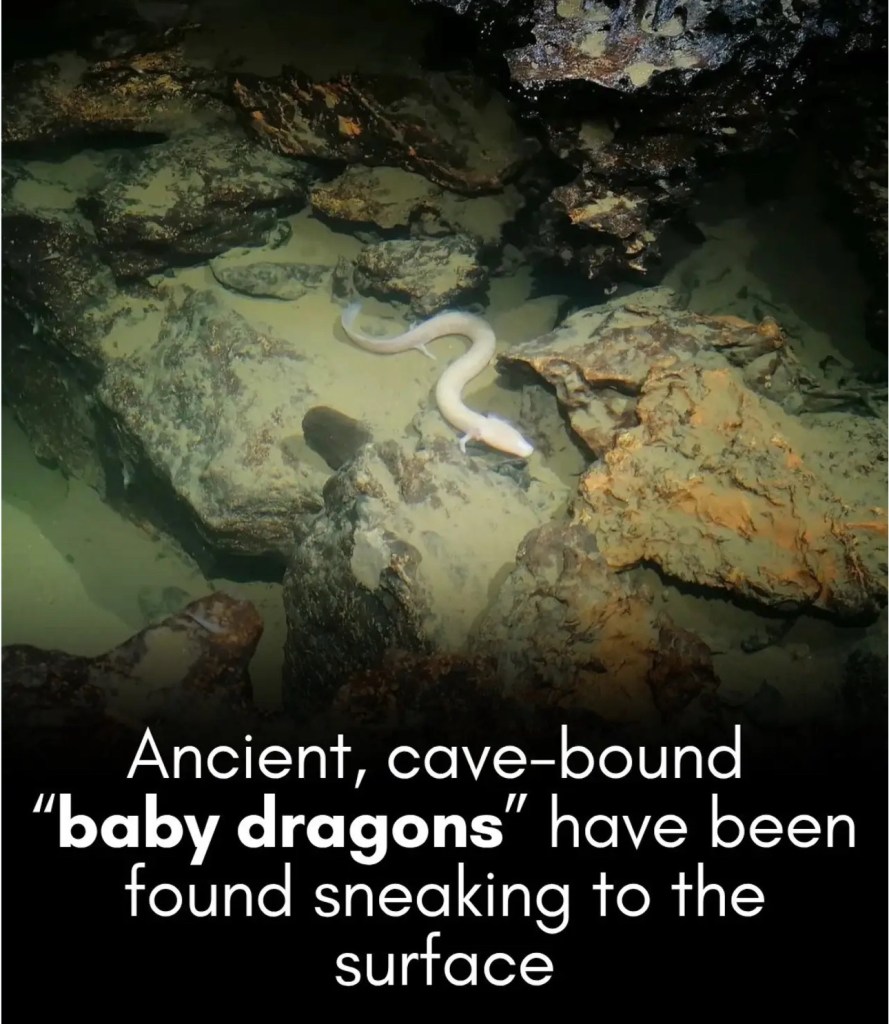
Extinction Isn’t Real. It’s Just Compression.
Dinosaurs didn’t die—they just shrank and feathered.
Civilizations didn’t disappear—they folded themselves into dirt and instinct.
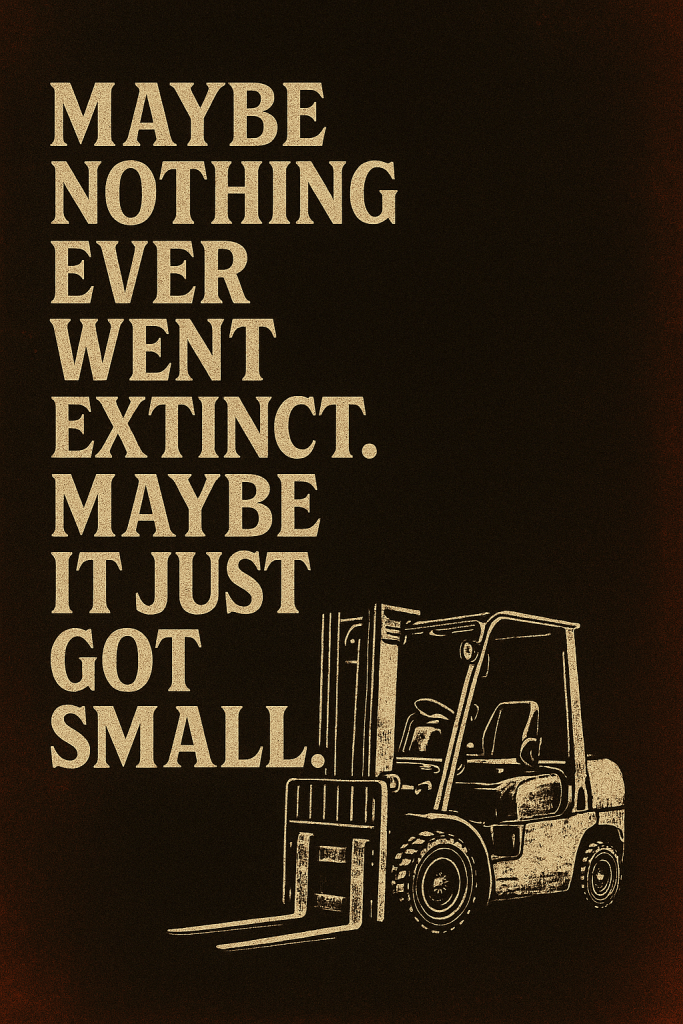
Maybe the pyramid is just a memory mound.
Maybe Bigfoot’s just us before we started shaving and paying taxes.
What if Nature isn’t deleting anything?
What if she’s just shrinking it down to keep it safe?
Time, after all, isn’t a fire.
It’s a file system.
So What Is This, Really?
It’s not belief.
It’s just logic with mud on its boots.
I’m not preaching. I’m not starting a church.
I’m just dragging a few half-buried thoughts into the daylight and asking if anybody else smells smoke.
Because if Earth really is Eden—
If sin is inherited—
If mercy is baked into the wiring—
If God is still in union with the wild—
And if the past hasn’t been lost, just made smaller—
Then maybe faith doesn’t start in a pew.
Maybe it starts right here.
With dirt under your nails, a storm rolling in, and a memory you can’t quite name rattling in your bones.
Just a theory.
But it fits like something old I forgot I knew.
—Stu